

Author: Naël El Kastani
Designing a medical practice is not just about furniture and decoration. It is about creating a functional, pleasant, and soothing space where patients feel welcomed and confident. As a healthcare professional, you know how crucial the environment is to the patient experience and the quality of care. The goal is to optimize the design of your medical practice with the anatomical charts available on our site En chair et en os, which are aesthetically pleasing, functional, and tailored to your needs!
Creating a soothing atmosphere for patient well-being
The importance of colors and materials
When it comes to decorating a medical practice, the impact of colors and materials should not be underestimated. Soft hues, such as blue, green, or white, are ideal for creating a calm and serene atmosphere. Blue, for instance, is known for its calming properties and is often used in medical spaces to reduce patient anxiety. White, on the other hand, embodies cleanliness and simplicity, creating a reassuring setting. In addition to colors, the materials used in the decor play an essential role. Wood, plants, and other natural components bring a welcome warmth to an environment often perceived as cold and sterile.
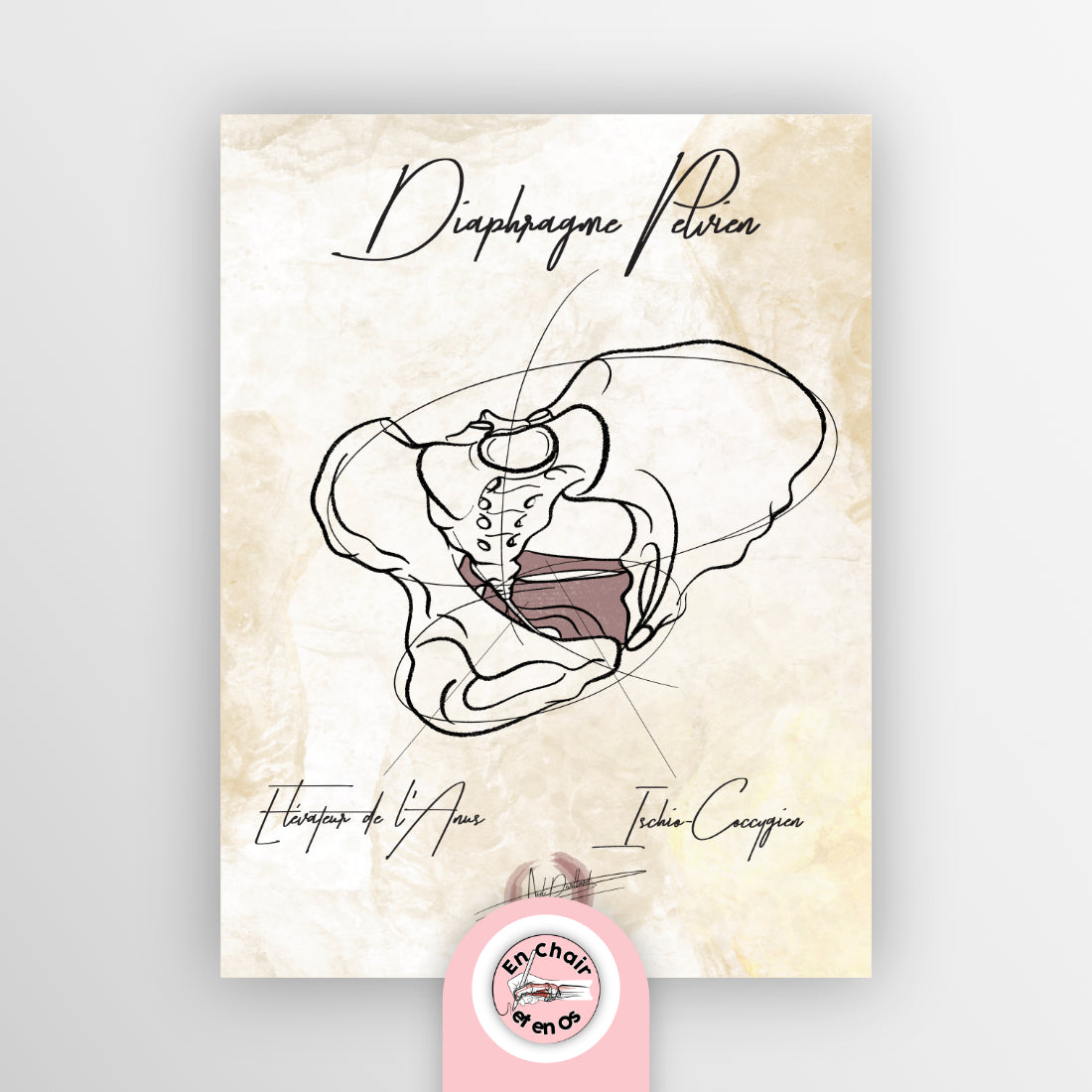
An example of integrating decor into a medical practice could be the Anatomical Chart – Pelvic Diaphragm. In a practice specializing in urology or physical therapy, this chart becomes not only a decorative item but also an educational tool. It helps educate patients on pelvic floor rehabilitation while providing a visual aid for explanations, thereby fostering an atmosphere conducive to learning and well-being.
The waiting room, a transitional space
The waiting room is the first room your patients see when arriving at your practice. It must reflect the atmosphere of your medical office, while also being a place where patients can feel relaxed and at ease before their consultation. Lighting plays a fundamental role in creating this ambiance. Using soft, indirect lighting rather than harsh light helps to soothe patients.
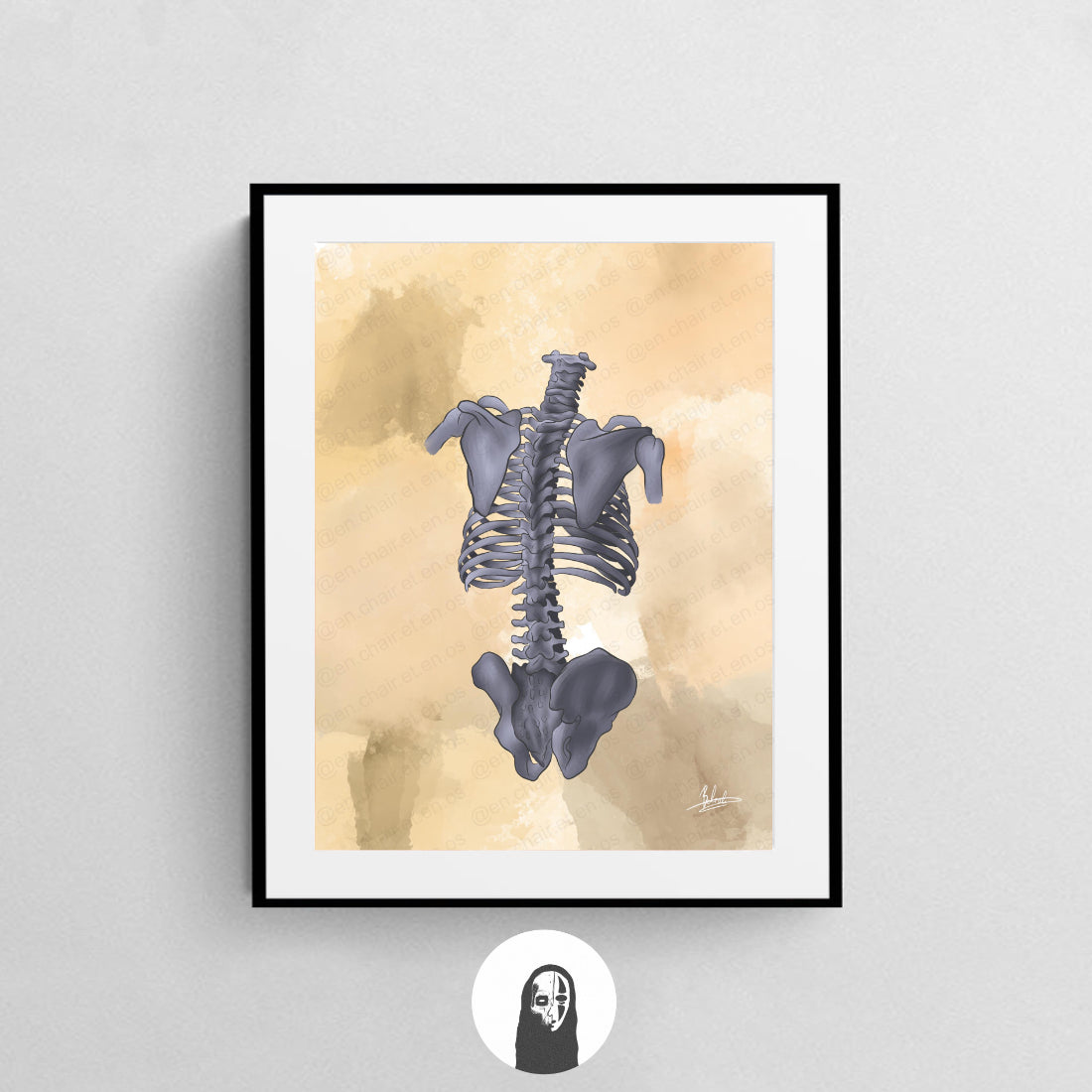
The furniture must be comfortable, functional, and aesthetic. Ergonomic seating and coffee tables with other items such as magazines or educational brochures about the care provided can help make the wait more pleasant. Another useful decorative element could be the Anatomical Chart – Spinal Column. This chart, particularly well-suited for a general practitioner's office or a paramedical practice, can educate patients on common back problems, while bringing an informative aspect to your medical space.
Decor in the waiting room therefore plays both an aesthetic and educational role, promoting a soothing atmosphere while preparing patients for the upcoming consultation.
Personalizing your space to affirm your professional identity
Choosing decorative elements that reflect your specialty
The decoration of your medical practice must not only be functional and aesthetic, but must also reflect your specialty and the identity of your practice. As a caregiver, you have the opportunity to personalize your medical space so that it is consistent with your field of expertise. Anatomical charts are an excellent way to combine the useful with the pleasant, while showcasing your specialty in an educational way.
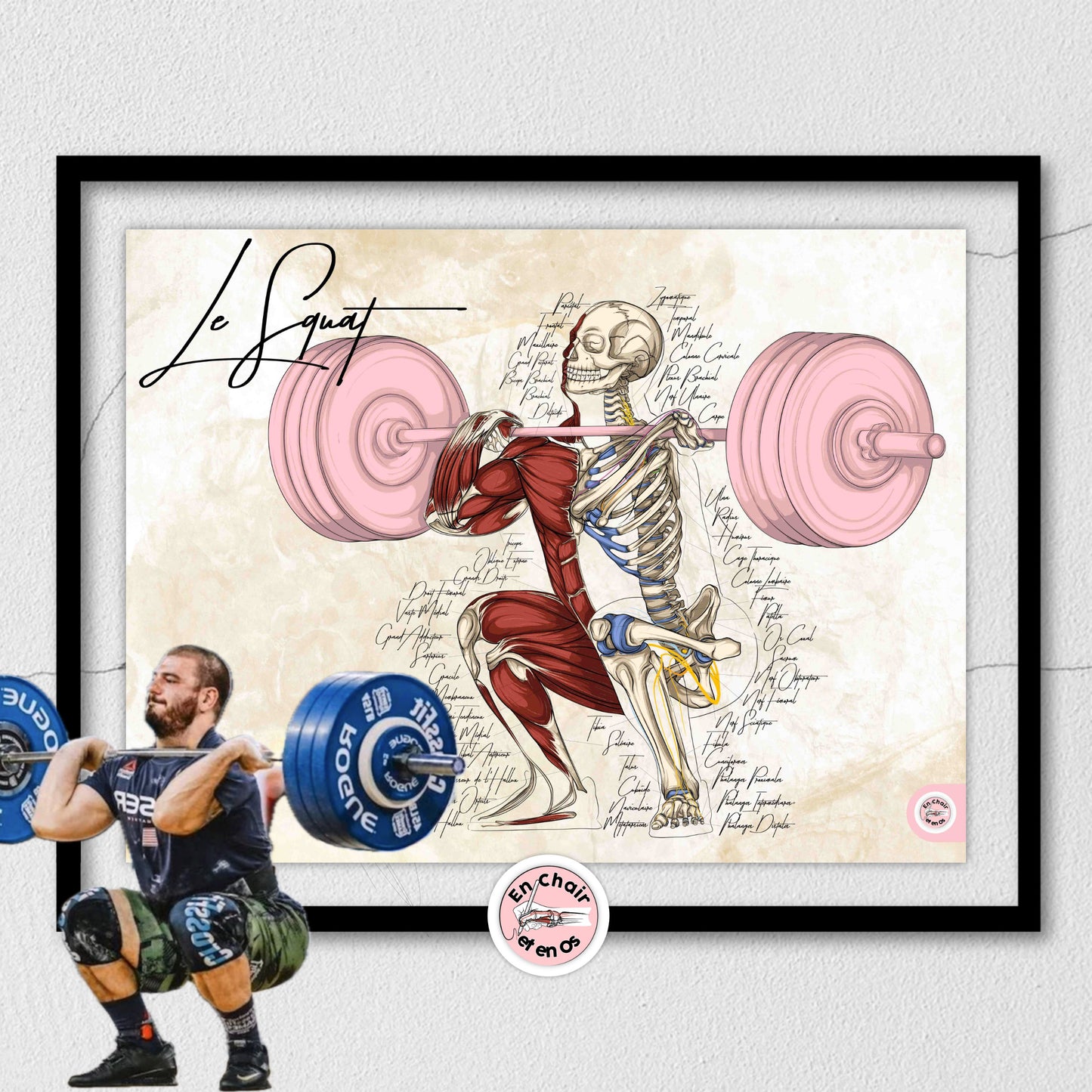
For example, for a medical practice specializing in sports medicine or physical rehabilitation, the Anatomical Chart – Weightlifting: The Squat can be integrated into your medical space. It offers not only a precise illustration of the impact of certain exercises on the human body, but it also fits perfectly into the concept of prevention and patient well-being. This type of decoration contributes to your practice's image, highlighting your expertise while serving as an educational tool for your patients.
Anatomical charts also allow you to add personalization to your practice based on the specific needs of your patients. They are a subtle way to blend aesthetics and functionality, strengthening the visual identity of your medical space.
Creating a professional and inspiring atmosphere
A medical practice should not just meet aesthetic and functional criteria; it must also offer a professional atmosphere conducive to patient trust and comfort. A well-designed space helps create an environment where every patient feels safe, confident, and ready to receive the necessary care.
To achieve this, the choice of furniture is crucial. It must be modern, functional, and comfortable, but also of high quality to reflect the physician's expertise. The use of plants and natural elements in the decor can also add a warm touch to the space.
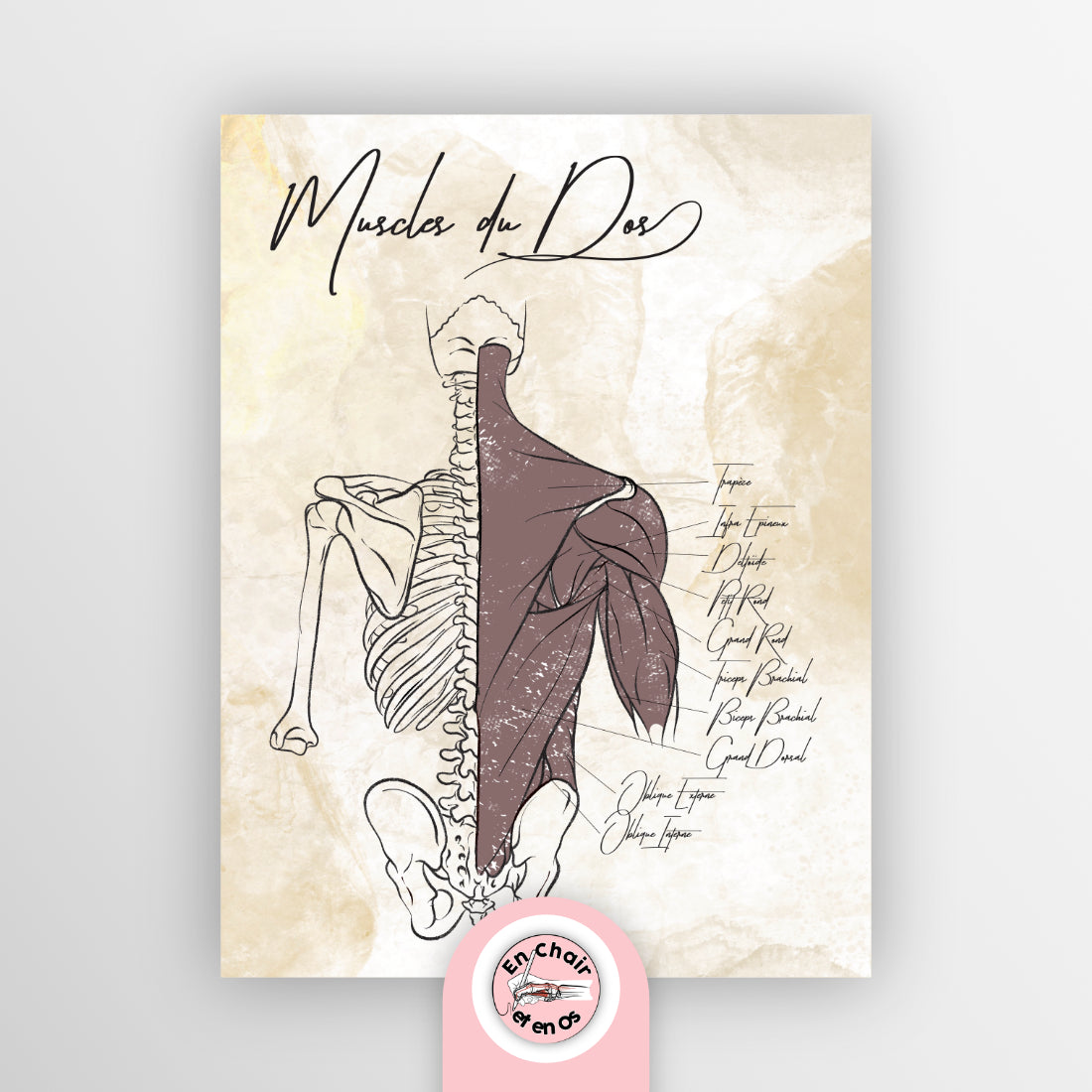
In a general practice, the integration of the Anatomical Chart – Back Muscles can perfect the professional atmosphere. It allows you to educate patients on common muscular problems while personalizing your medical space. It is an excellent way to show that your practice does not just treat, but also cares about the prevention and education of its patients.
Anatomical charts thus become full-fledged decorative tools that reinforce the educational and professional aspects of your practice.
Optimizing space for a functional and efficient layout
Organizing a medical practice functionally
The design of a medical practice must first and foremost meet the practitioner's practical needs. Each room must be organized to maximize efficiency while offering as much comfort as possible to patients. The layout of the spaces should allow for smooth circulation and optimal use of every area of the practice.
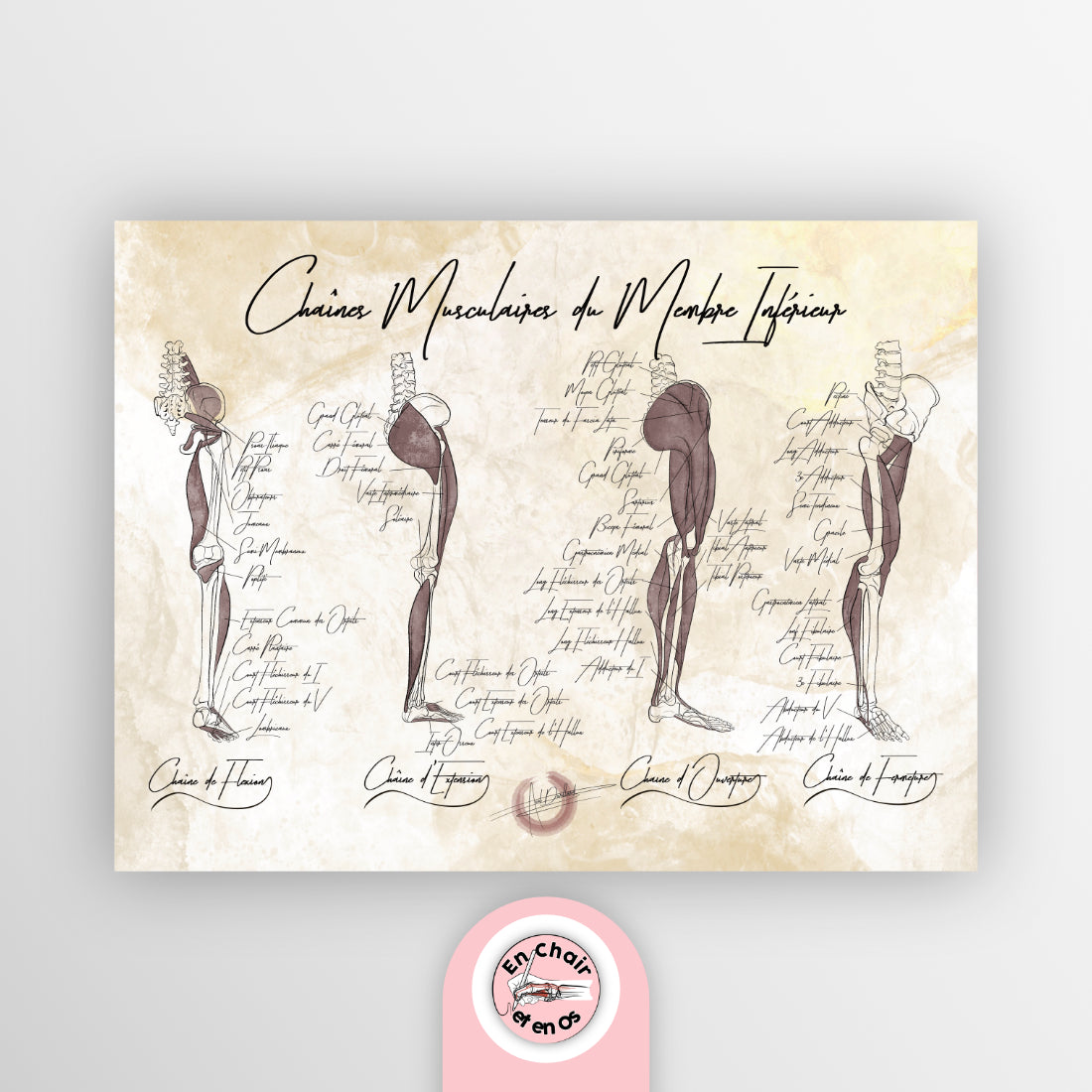
A doctor's office should be a functional place where every medical tool is within reach, while remaining tidy. The furniture must be chosen rigorously so as not to clutter the space. It must combine comfort, quality, and aesthetics. An Anatomical Chart – Muscle Chains of the Lower Limb can, for example, be an excellent addition to a paramedical practice. It allows for visualization of the different types of muscle chains and sensitizes patients to the importance of their maintenance, while providing a decorative and educational aspect.
Creating an environment conducive to consultation
A well-designed medical practice is a place where patients feel at ease and confident. The layout of the consultation room must facilitate examination, but also communication between the patient and the doctor. It is therefore essential to choose furniture that promotes privacy while being functional.
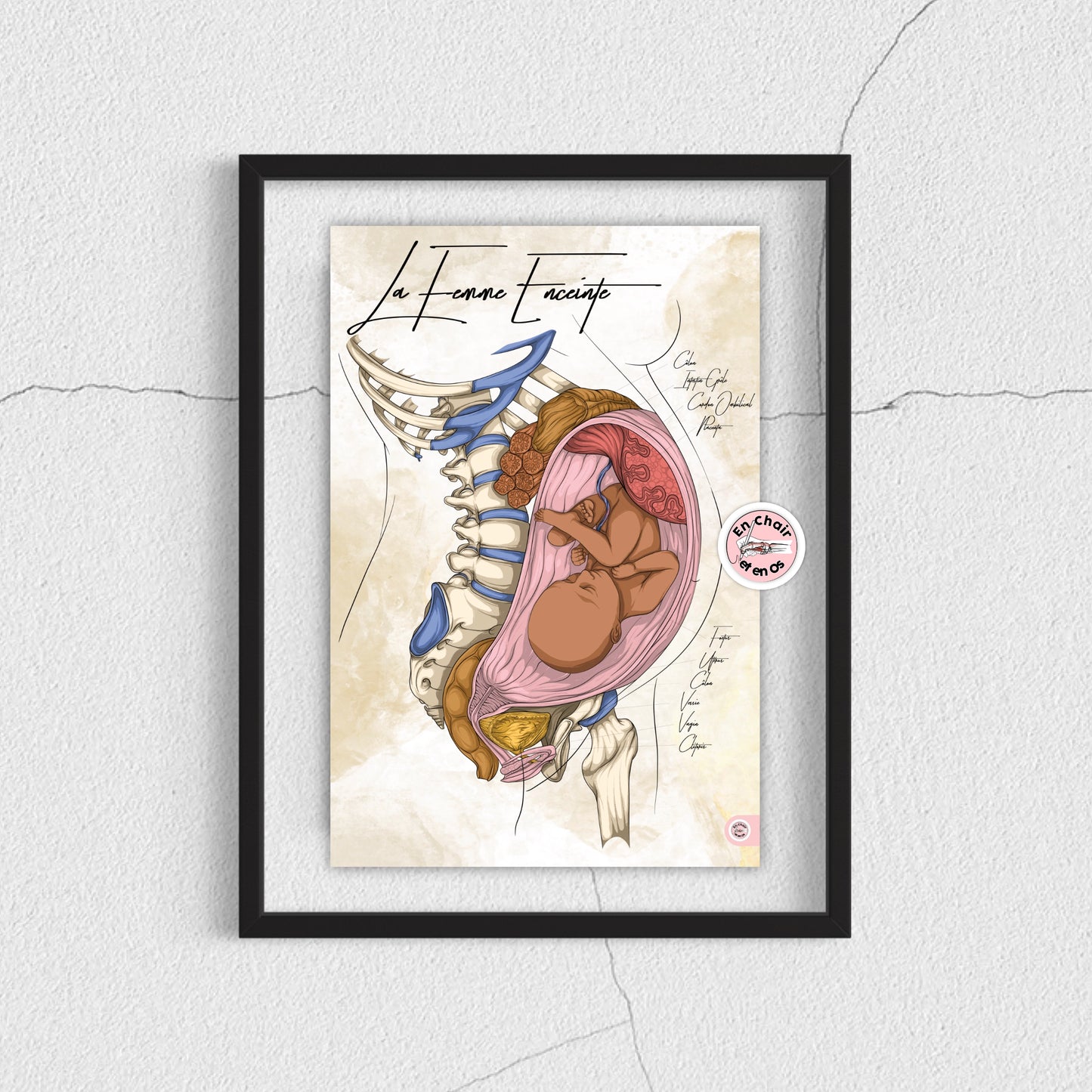
The Anatomical Chart – Pregnancy is an excellent choice for a midwife's office or a medical practice treating expectant mothers. It allows for a visual explanation of the stages of pregnancy, strengthening the relationship of trust between the practitioner and the patient. It also adds an aesthetic touch while serving as a useful tool for explaining care.
The health space thus becomes a place where every item is designed to optimize the session, while providing comfort and educational value.
Conclusion
Decorating a medical practice goes far beyond the aesthetic aspect. It helps generate an atmosphere favorable to the health and well-being of patients, while affirming the practitioner's professional identity. By choosing anatomical charts available in several formats on our site En Chair et En Os, adapted to your specialty, you enrich your medical practice with educational elements that contribute to both the decorative aspect and patient education. A thoughtful layout and appropriate decoration are essential to offer your patients a functional, reassuring, and professional space.