

Author: Naël El Kastani
The layout and decoration of a medical office are not merely matters of aesthetics. These elements actively contribute to the patient experience and influence their perception of the consultation. A well-thought-out treatment room can create a calming ambiance, inspire confidence, and, above all, play an essential role in patient education. By incorporating visual elements with high pedagogical value, such as the anatomical charts available on our site En Chair et En Os, healthcare professionals can transform their space into a true learning tool. The layout of a medical or paramedical practice must be designed to be functional, welcoming, and adapted to patient needs while meeting the requirements of healthcare professionals.
The office layout as a pedagogical tool
Using wall decor to illustrate human anatomy
Displaying anatomical charts in a medical office is an effective way to help patients better understand their own bodies. For example, the Human Skeleton Anatomical Chart, installed in the waiting room or the doctor's office, can serve as a visual aid to explain a fracture, bone pathology, or the effects of aging on the musculoskeletal system. Such wall decor promotes patient education by allowing them to concretely visualize the structures involved in their health issues.

Choosing decor for a medical office must therefore meet a functional need in addition to being aesthetic. Using neutral colors like white or calming shades like blue can help establish a climate of trust and serenity for patients. Lighting also plays a fundamental role: natural or soft lighting helps avoid a clinical and cold atmosphere.
Designing a space adapted to patient understanding
The atmosphere and layout of a medical office play a primary role in the patient-practitioner relationship. Installing explanatory posters and decorative elements related to human anatomy, such as the Human Musculature Anatomical Chart, allows the practitioner to concretely illustrate their explanations. For instance, a physical therapist can use this chart to explain the source of muscle pain and guide the patient toward specific rehabilitation exercises.

A well-designed space also provides a functional and organized environment. A good storage system, suitable furniture, and an optimized layout for the doctor's office help improve the quality of the consultation and the patient experience.
The importance of office personalization to enhance learning
An environment connected to the practitioner's specialty
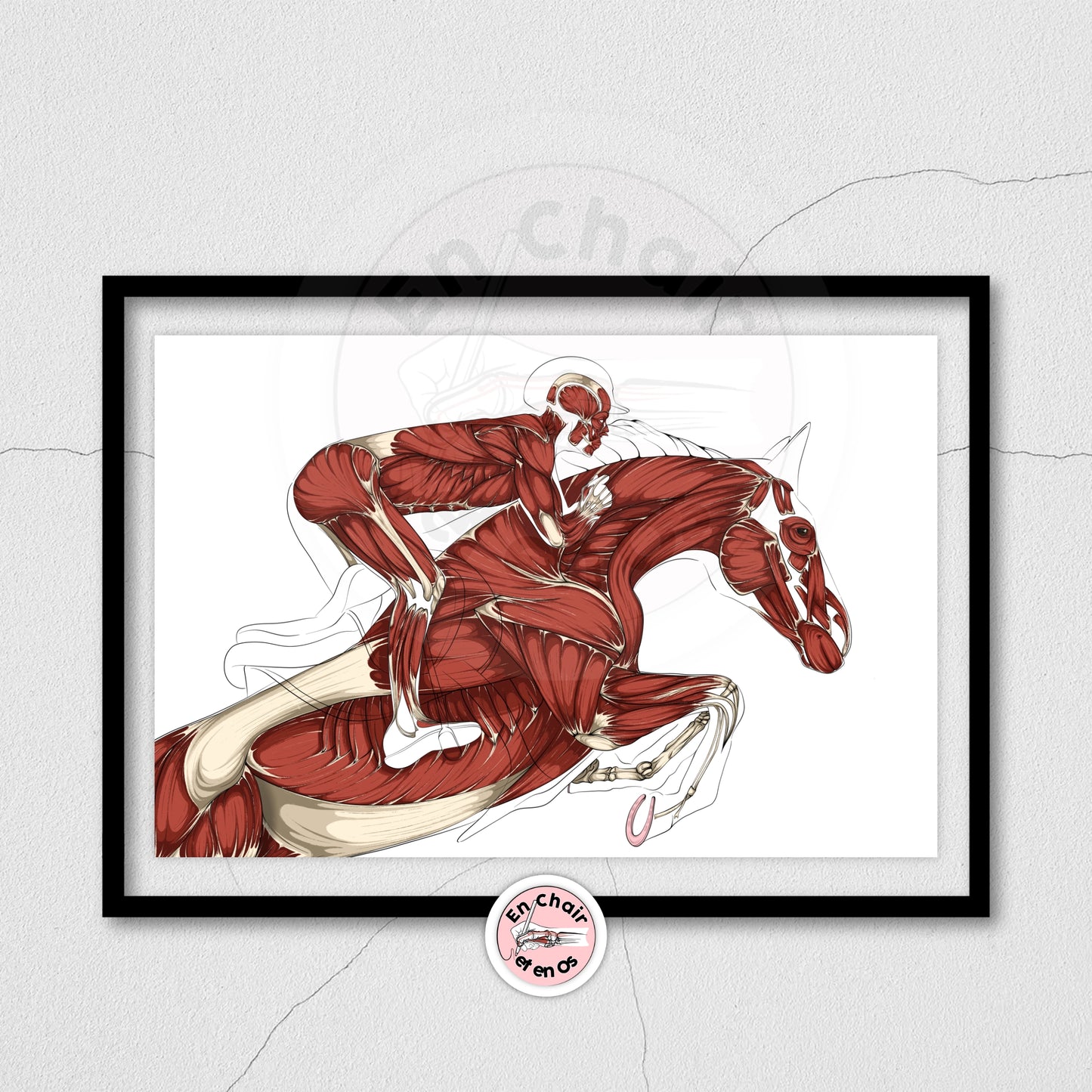
The layout of a medical office should be consistent with the specialty practiced. A sports doctor or osteopath could, for example, choose to include the Horse Rider Anatomical Chart to illustrate the impact of riding posture on the skeleton and muscles. This approach allows for visually explaining to the patient how certain postures can generate tension and pain.
The choice of furniture and materials, such as using wood to add a warm and natural touch, contributes to the patient's reception and well-being.
Functional and instructive decor
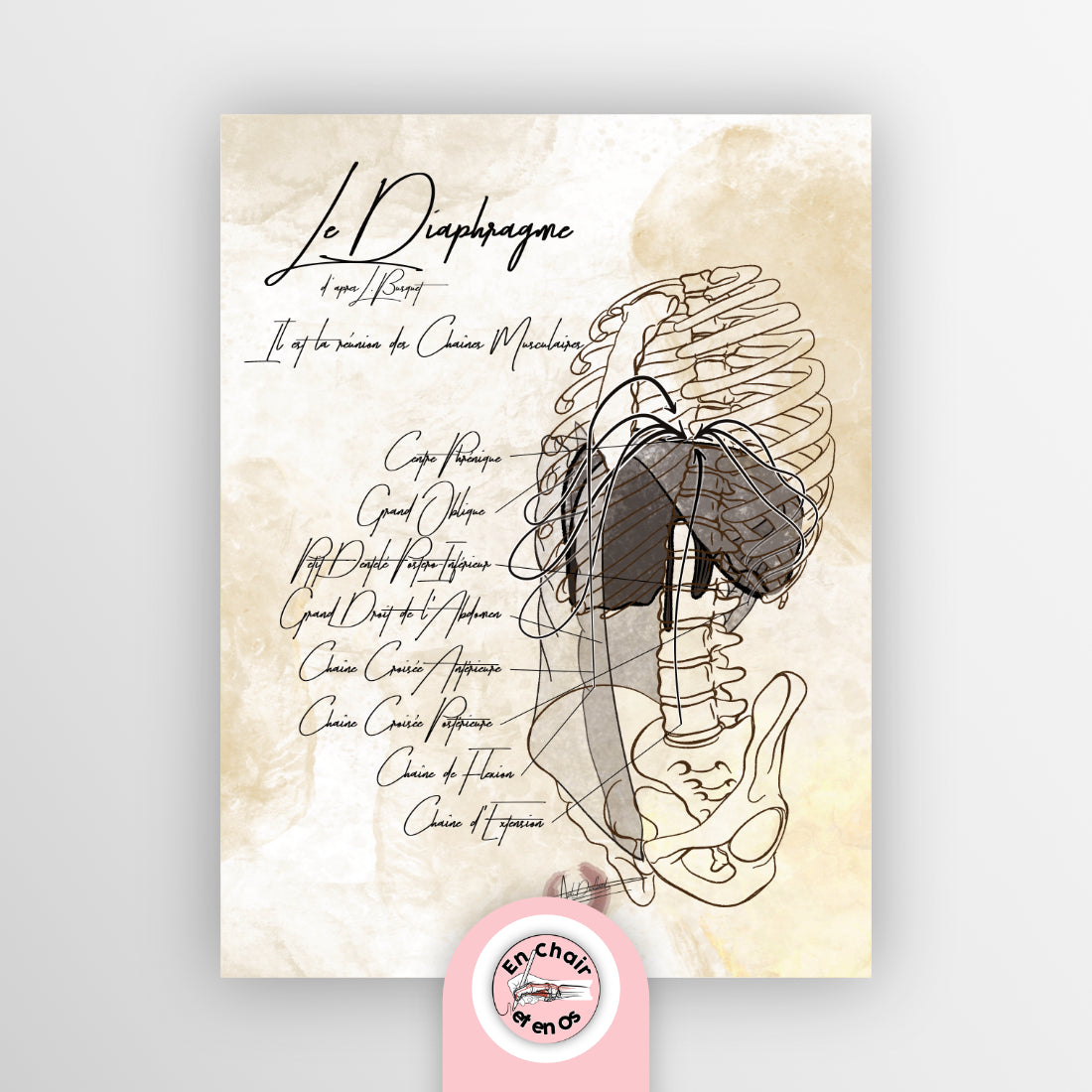
A well-thought-out medical office is a place where every decorative element serves a purpose. Incorporating explanatory posters or relevant illustrations, such as the Diaphragm Muscle Chains Anatomical Chart, helps explain more complex concepts to patients, such as the importance of breathing in posture and stress management. A patient suffering from chronic pain or postural disorders will thus be able to better understand the impact of the diaphragm on their health and realize the importance of breathing exercises in their care journey. Relevant wall decor can transform the medical space into an immersive learning environment, offering patients clear and precise visual references.
Fostering a warm and immersive environment for better assimilation
The impact of aesthetics and comfort on learning
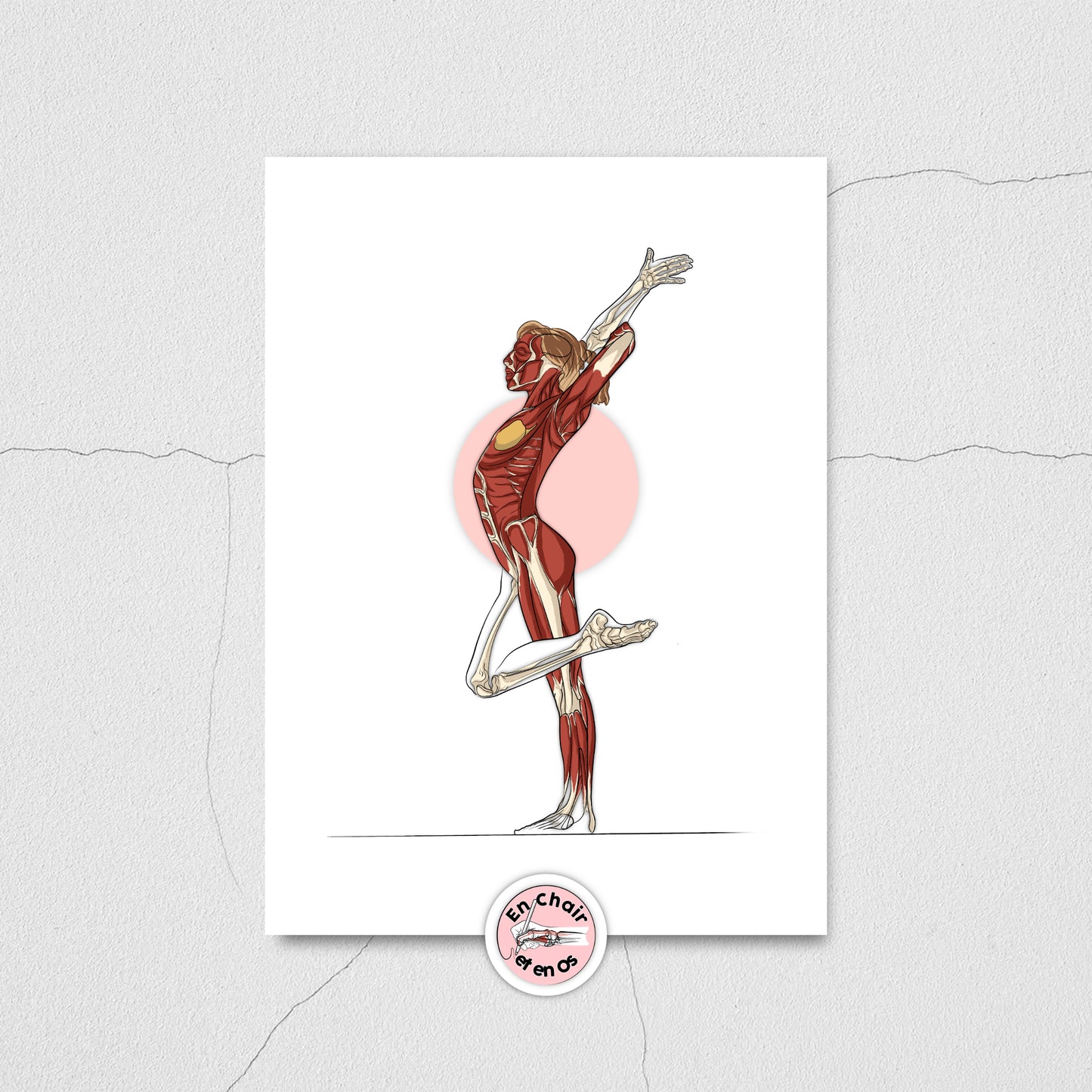
The patient experience within a medical office is determined by several factors, including the aesthetics and comfort of the space. A calming and inspiring atmosphere facilitates concentration and the assimilation of information. The Dancer Anatomical Chart, for example, illustrates the harmony of movement and can be used by a podiatrist or sports physician to explain the importance of posture and balance.

Adapting the space for effective support
A modern and well-appointed medical office takes the needs of each patient into account. Integrating a Gymnast Anatomical Chart into a physical medicine and rehabilitation center or an orthopedics clinic can illustrate the joint and muscle constraints associated with certain physical activities. Understanding these constraints visually allows patients to adopt better habits and better follow the advice they are given.
Conclusion
The layout of a medical office is not limited to simple decoration; it constitutes a powerful tool for patient education and awareness. By using relevant visual elements, such as the anatomical charts available on our site En Chair et En Os, the professional can enrich the patient experience and reinforce learning. A well-thought-out space, combining aesthetics, comfort, and pedagogy, not only improves the quality of care but also creates a warm and immersive atmosphere, encouraging better patient engagement in their health journey.