

Written by: Naël El Kastani
The visual and emotional impact of an anatomical chart
Creating a calming environment
The atmosphere of a physiotherapy practice can greatly influence a patient's emotional state. Studies show that soft colors and well-chosen anatomy charts can help create a soothing environment. For example, the Anatomical Chart: Neck Muscle Chains can be used to decorate the office walls. This anatomical chart, beyond its educational value, adds an aesthetic and professional touch to the room, which can help reduce patient stress and anxiety before a session. Using charts contributes to a better understanding of human anatomy and helps patients feel more confident in a medical environment.
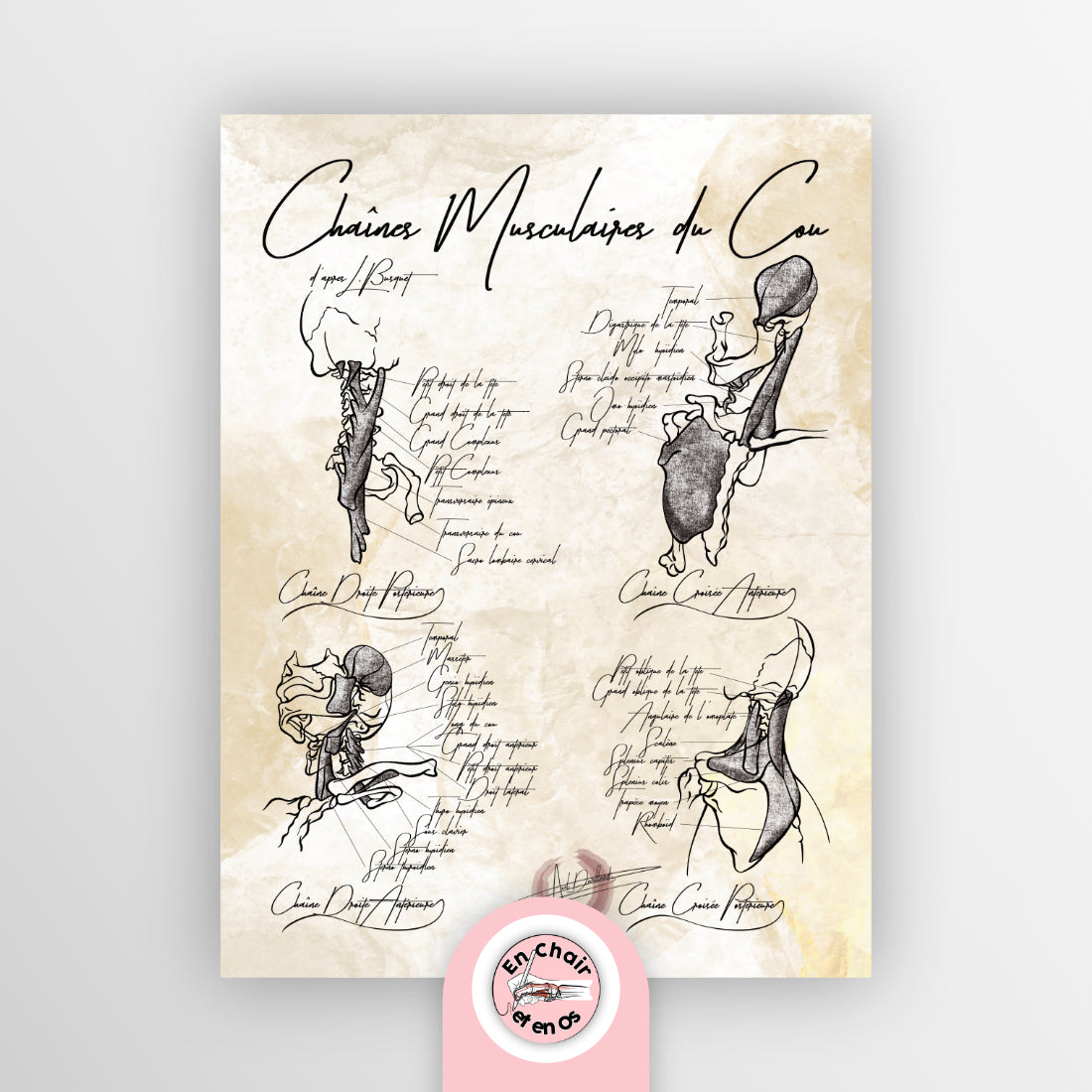
The colors and detailed illustrations on anatomy charts, such as those depicting the human skeleton or human musculature, bring a touch of serenity and professionalism to the space. By adding posters to their cart, physiotherapists can transform their practice into a space that is both educational and comforting, which is crucial for the overall patient experience. Wall decor featuring human anatomy charts, such as the human skull or foot anatomy, can also make the environment more attractive and engaging. Products like educational anatomical charts allow patients to discover human anatomy and feel more involved in their treatment.
Stimulating motivation and engagement
Patient motivation is essential for effective recovery. Anatomy posters, such as the Anatomical Chart: Lower Limb Muscle Chains, can play a key role in reminding patients of the importance of each exercise and movement. By regularly visualizing the muscles and how they function, patients can better understand their bodies and become more engaged in their rehabilitation. Well-thought-out decor that integrates educational elements can therefore encourage active and positive patient participation.
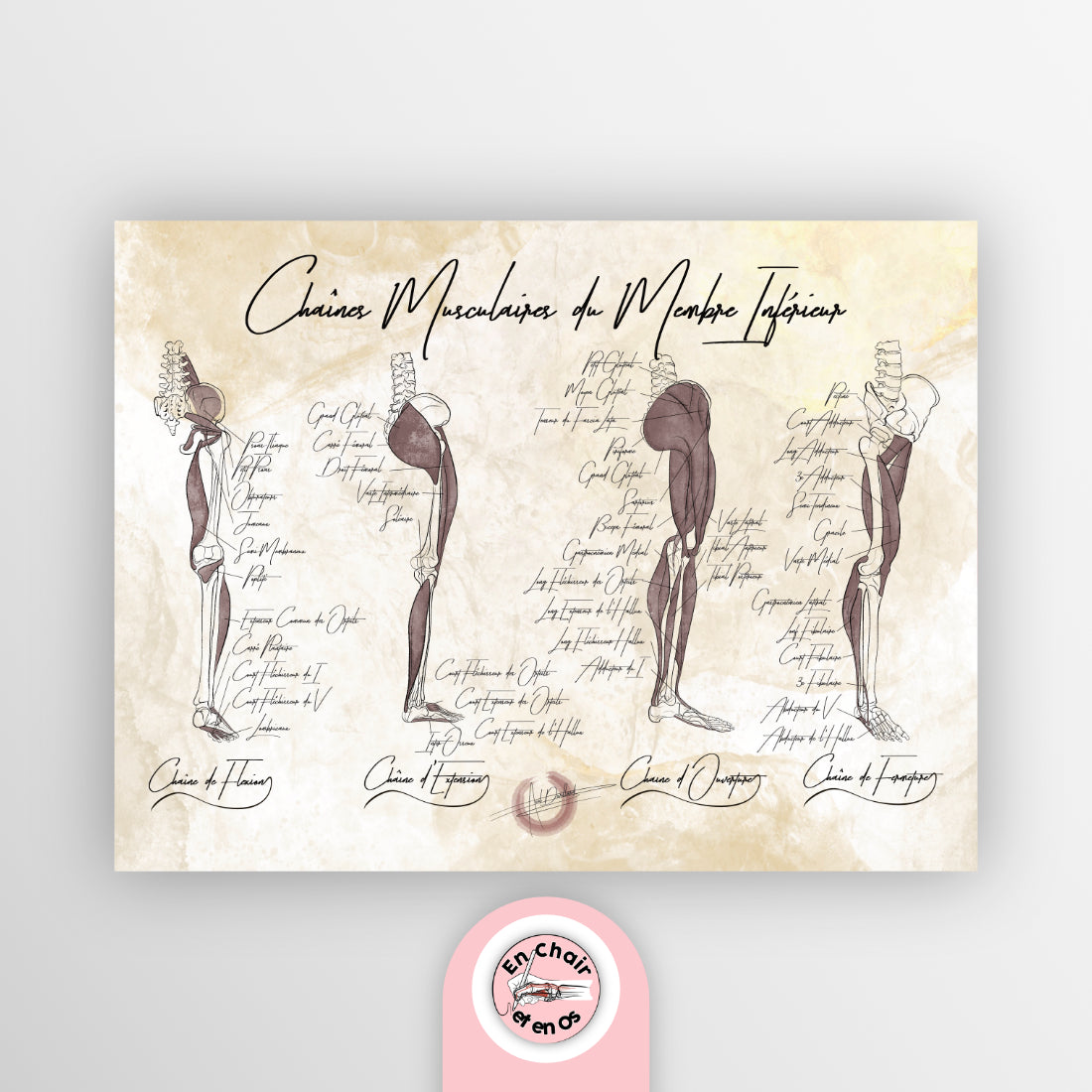
By adding these anatomical charts to the wall decor, therapists can reinforce patient interest in anatomy details, such as the human skeleton, muscles, and body systems. For example, a chart detailing muscular system anatomy can motivate patients to focus on their exercises by better understanding how each muscle contributes to their recovery. The presence of medical posters in the office serves as a reminder to patients of the importance of regularity and precision in their movements, thus contributing to better treatment adherence. Human anatomy charts, such as foot anatomy and heart anatomy, offer a detailed view of parts of the human body, which can be extremely motivating for patients.
Educational importance
Learning tools for patients
Educational posters are valuable tools for physiotherapists. They allow for clear, visual explanations of bodily mechanisms and pathologies for patients. For example, the Anatomical Chart: Handball can be used to show the muscles involved in a specific activity, helping patients understand the reasons for certain pains or injuries.
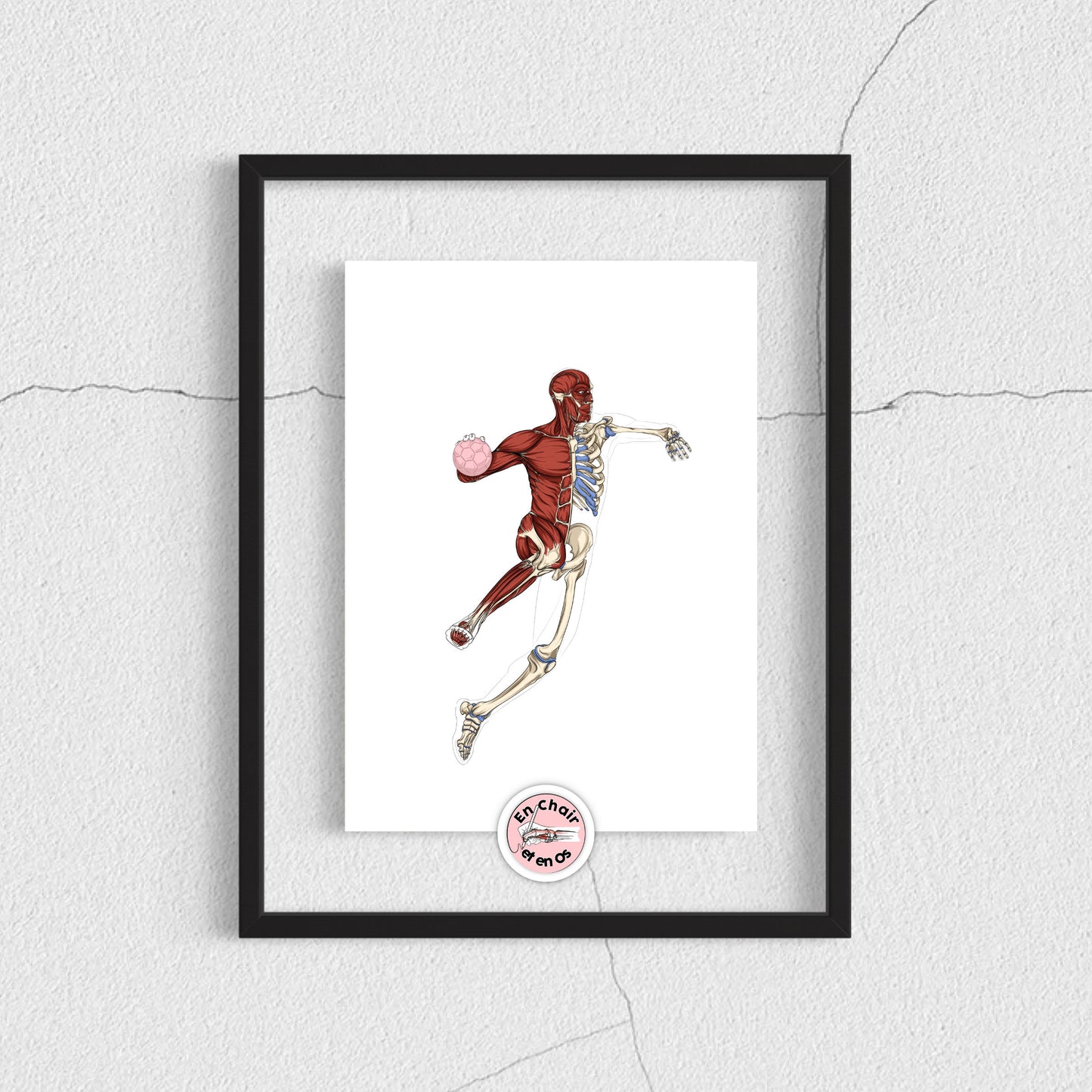
This strengthens their anatomical knowledge and gives them a better understanding of their treatment, thereby increasing their involvement and satisfaction. By using medical anatomy posters, therapists can make their explanations clearer and more accessible. Adding anatomy charts to your cart helps create an educational environment where patients can discover and understand anatomy.
Facilitating therapist-patient communication
Good communication is essential for treatment success. Posters can serve as a visual aid to facilitate the therapist's explanations. For example, by using the Anatomical Chart: Trunk Muscle Chains, a physiotherapist can more easily explain the exercises to be performed and the areas to be worked on. This allows patients to visualize and better understand instructions, making sessions more efficient and collaborative. By integrating educational posters and anatomical charts, therapists can improve communication with their patients, which is crucial for a successful recovery. Anatomy charts, such as those illustrating the muscular system or human skeleton, facilitate the understanding of complex medical concepts.
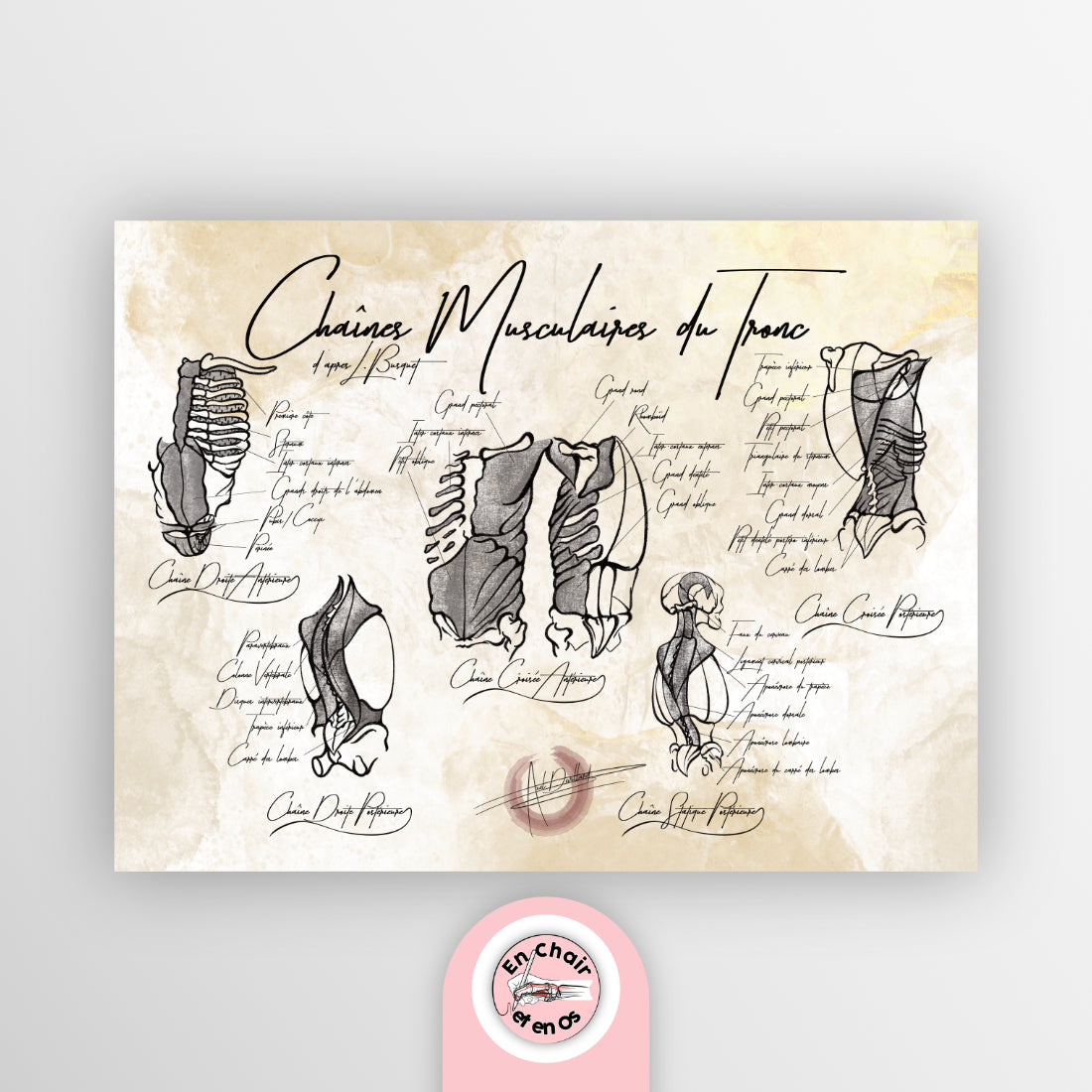
Charts play a key role in the training and continuous education of patients. By explaining anatomy details using detailed posters, therapists can help patients better understand their bodies and their treatment. Anatomical charts, such as those available on the "En Chair et en Os" website, are indispensable tools for any physiotherapy practice in France. Vintage anatomy charts can also add a touch of elegance and charm to the office wall decor while serving as an educational resource.
Strengthening the patient-therapist relationship
Creating a professional and welcoming setting
A well-decorated office with quality products demonstrates the therapist's professionalism and attention to detail. This can inspire patient trust and strengthen the therapeutic relationship. For example, the Anatomical Chart: Back Muscles can be an excellent addition to wall decor, demonstrating the physiotherapist's commitment to providing quality care and creating an environment conducive to healing. Using human anatomy posters as part of professional decor helps establish an atmosphere of trust and competence.
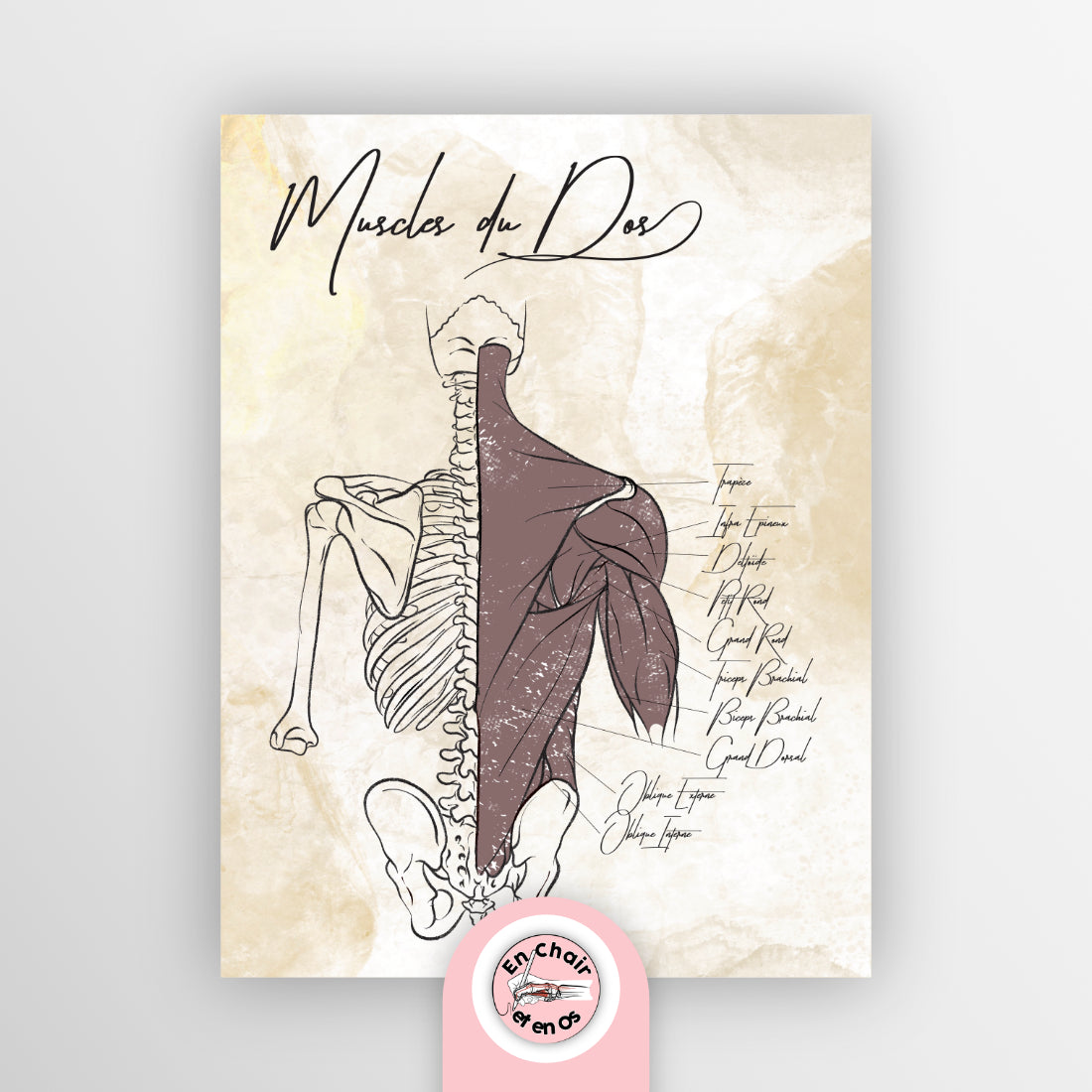
Educational anatomical posters help create a space where patients feel welcome and cared for. By adding these quality products to their cart, therapists can show their commitment to an informed and professional practice. Anatomy charts, such as those representing body anatomy or medical anatomy, contribute to creating a professional and reassuring ambiance for patients. Anatomical charts, like those representing foot anatomy or heart anatomy, add an educational and professional dimension to the office.
Personalization and humanization of the space
Personalizing the space with posters helps humanize the office, making the experience more pleasant for patients. The use of vintage products, such as the Anatomical Chart: Pregnant Woman, brings a touch of originality and warmth to the environment. This helps create a stronger bond between the patient and the therapist by making consultations less formal and more convivial. Vintage anatomy charts add character and personality to the space, making the office more welcoming and warm.
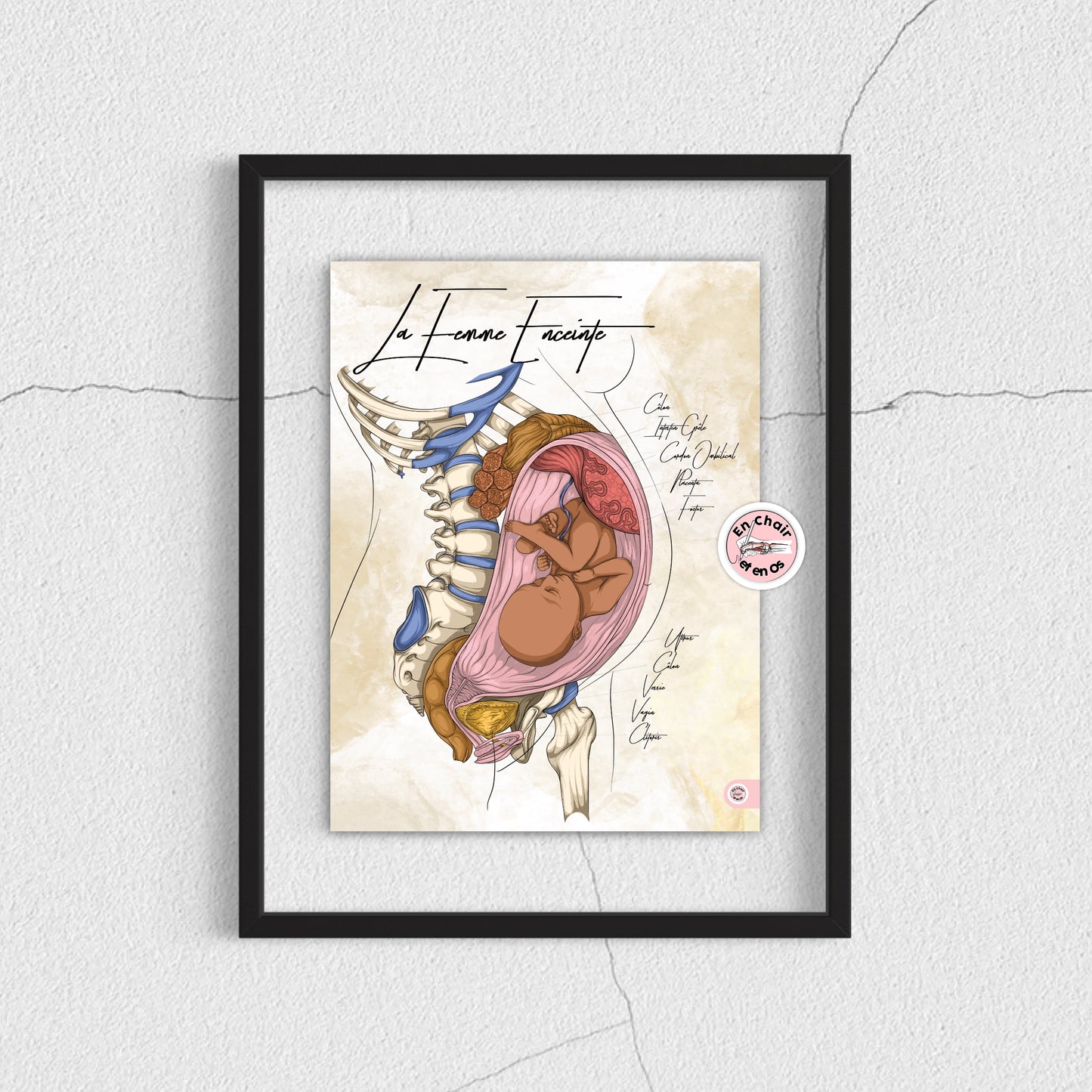
By choosing quality human anatomy charts and integrating them into the wall decor, therapists can personalize their space to reflect their style and approach. This helps to humanize the office and create a more relaxed and friendly atmosphere. Educational charts and anatomy posters also allow patients to feel more connected to their treatment and their therapist. By adding anatomical charts to their cart, physiotherapists can enrich their work environment and offer a better experience to their patients.