

Author: Naël El Kastani
The educational importance of anatomical posters
Facilitating learning for students
Medical education is based on a thorough understanding of human anatomy. Anatomical charts, such as those available on our site En Chair et en Os, offer a precise visual representation of the human body's systems. For example, an Anatomical Chart: Spine can be a valuable tool for explaining the complex structure of the spine and its various functions to students.
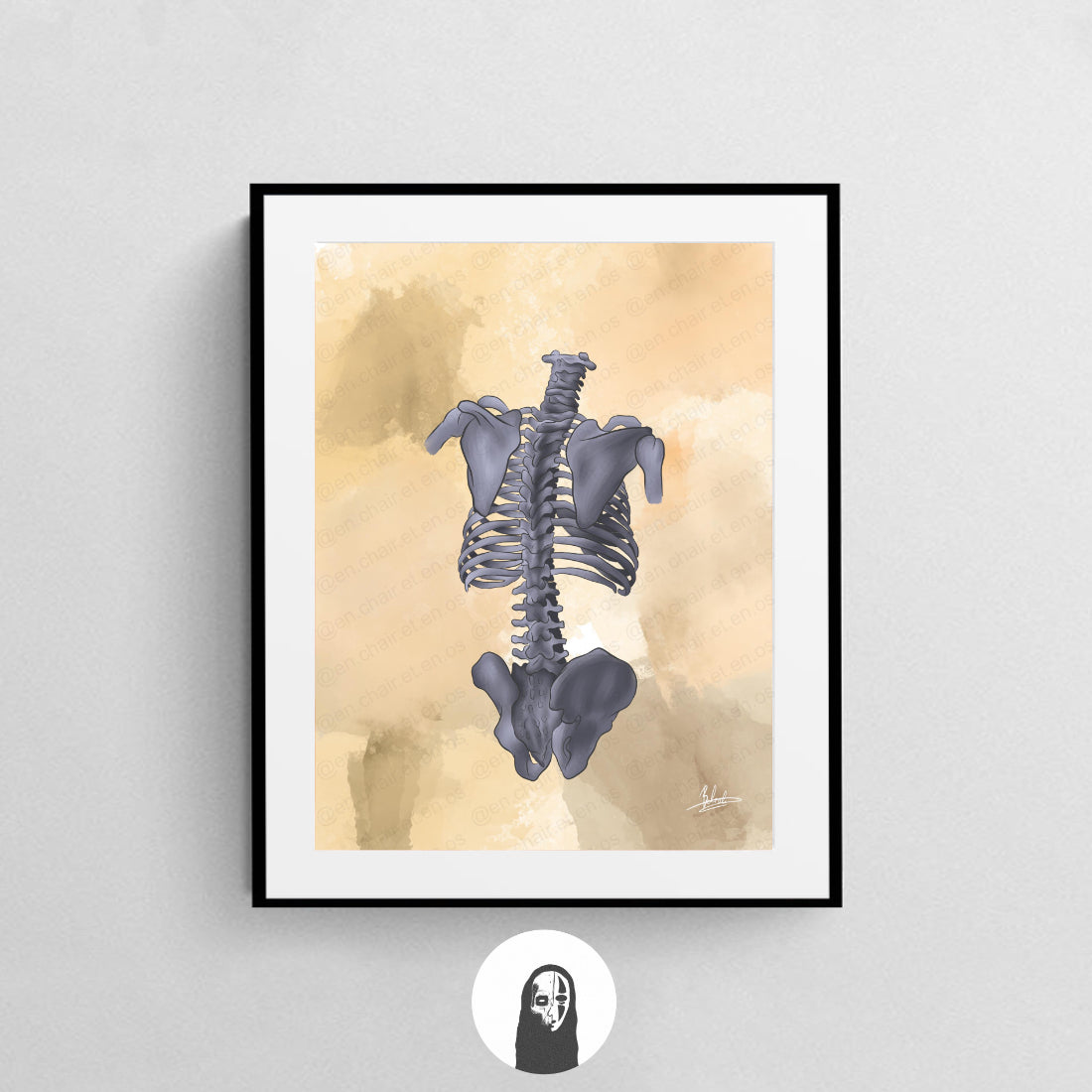
These anatomical charts allow students to visualize the details of different parts of the human body, thereby facilitating the memorization and understanding of anatomical concepts. They can be used during human anatomy review sessions, group discussions, or even in lectures to illustrate key points. By having these tools at hand, students can develop a better understanding of anatomy, which is crucial for their training and future medical practice.
Strengthening patient education
An anatomy poster is not limited to student education. It also plays a crucial role in patient education. For example, an Anatomical Chart - Human Musculature can help explain the possible origins of discomfort to a patient suffering from muscle pain. By pointing directly to the relevant muscles on the poster, you can facilitate the patient's understanding and make them more engaged in their treatment.

These educational posters can also help ease patients' concerns by offering them a clear and accurate view of what is happening inside their bodies. This is particularly useful in contexts where patients may be anxious or confused about their state of health. Clear visual communication, supported by anatomical charts, can improve the patient's trust in the healthcare professional and contribute to a better clinical outcome.
Practical utility of anatomical posters in medical practice
Reference tools for healthcare professionals
In daily medical practice, it is essential to have access to precise and easily accessible reference tools. Anatomical charts can serve as a quick reminder of complex anatomical structures. For example, an Anatomical Chart: Human Skull Bones can be used by a neurologist to illustrate the different parts of the human skull during a consultation.
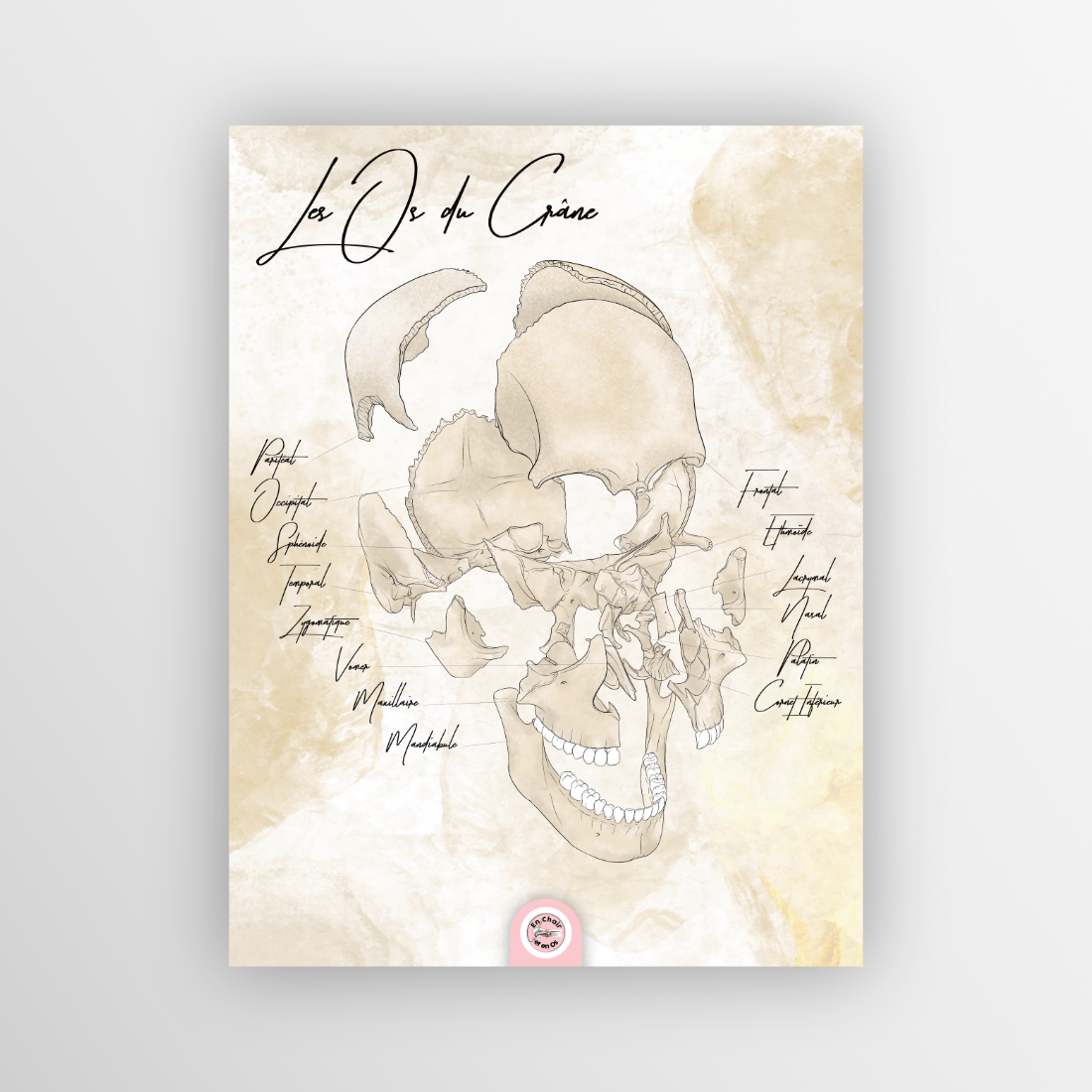
These anatomical posters can also serve as a support during interprofessional discussions. During case meetings or medical conferences, having an anatomical chart at hand makes it possible to quickly clarify complex points of human anatomy and ensure that all participants are on the same page. This facilitates effective communication and informed decision-making.
Improving diagnostic and therapeutic accuracy
A detailed understanding of anatomy is essential for making accurate diagnoses and developing effective treatment plans. Anatomical posters can help quickly identify specific structures and avoid diagnostic errors. For example, an Anatomical Chart: Digestive System Organs can be used to precisely locate the structures involved in gastrointestinal disorders.
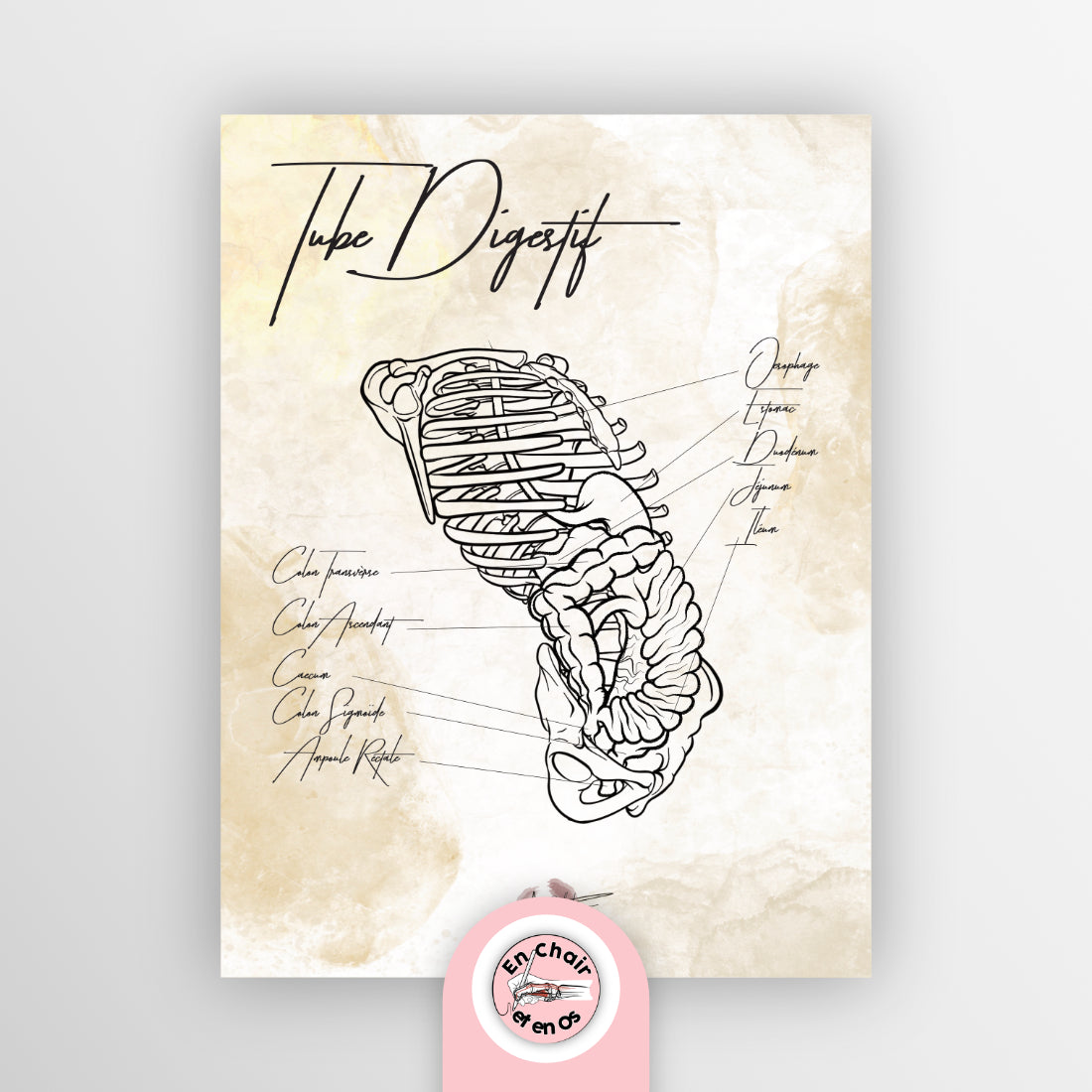
Moreover, these anatomy charts can be useful during medical procedures. A human body poster detailing blood vessels can help a vascular surgeon plan a surgical intervention by visualizing the arteries and veins. This can contribute to improving the safety and efficiency of procedures, thereby reducing risks for the patient.
Creating a welcoming and professional environment
Improving the aesthetics of the professional space
A well-decorated professional space can have a positive impact on how patients and visitors perceive your practice. Anatomical charts, in addition to being didactic, can also serve as elegant and informative wall decor. For example, an Anatomical Chart: Pregnancy can add a touch of sophistication and professionalism to a gynecology office.

Integrating vintage anatomy posters can also bring a unique aesthetic dimension to your space. These posters, with their detailed illustrations and rich colors, can transform an ordinary wall into an educational gallery. By choosing posters printed on high-quality paper, you can create a warm and welcoming ambiance while highlighting the importance of anatomy in your practice.
Creating a reassuring environment for patients
Patients often feel anxious when visiting a healthcare professional. Having anatomy charts in the waiting room or consultation room can help reduce this anxiety by offering a didactic distraction and showing that you are a competent and well-informed professional. An Anatomical Chart: Stomach can, for instance, reassure a patient suffering from digestive issues by showing them that you have a thorough understanding of their problem.
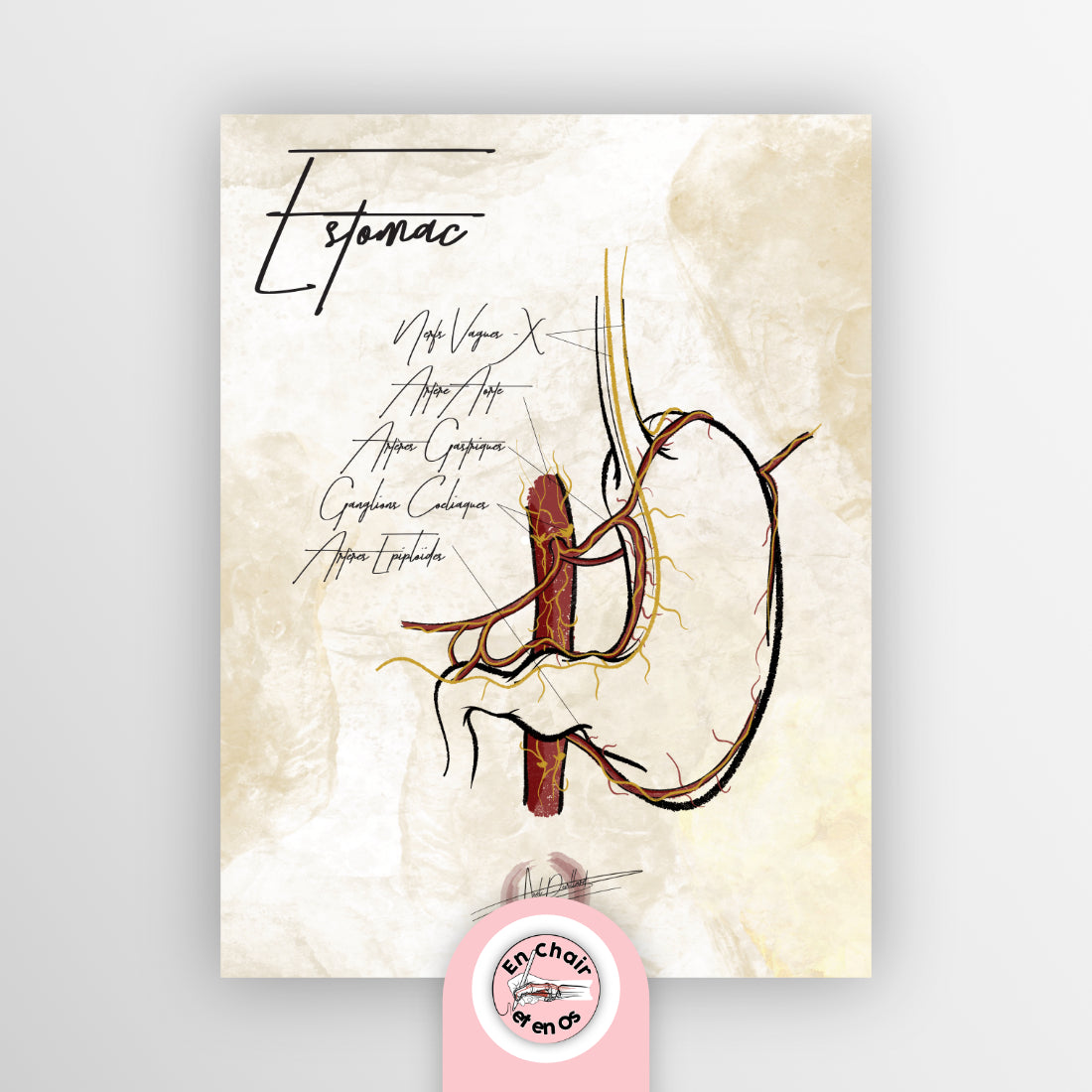
Integrating anatomical charts into your professional space can transform the patient experience by making it more educational, reassuring, and engaging regarding human anatomy. These visual tools not only create a more welcoming and professional environment but also improve communication and understanding between the practitioner and the patient.
Conclusion
Anatomical charts can transform your professional space in several ways. They facilitate learning for students, strengthen patient education, serve as practical reference tools, improve diagnostic and therapeutic accuracy, and create a welcoming and professional environment. By integrating these anatomical charts into your office, you can not only enrich your medical practice but also offer your patients a better overall experience.
Discover the complete collection of medical anatomy posters on En Chair et en Os and transform your professional space today. With products ranging from muscular systems to human skeletons, you will certainly find the posters that meet your specific needs. Take advantage of the FREE delivery offer in metropolitan France and start improving your medical practice thanks to these didactic and aesthetic tools.