

Written by: Naël El Kastani
Creating a reassuring and professional environment
The soothing power of a well-decorated practice with anatomical charts
A visually soothing environment helps to reduce patient anxiety during their visit. Incorporating anatomical charts like the Anatomical Chart – Skull Bones allows you to decorate the space with posters that are both informative and aesthetic. This chart, illustrating the details of human anatomy, helps put patients at ease by demonstrating that the practice is well-equipped to provide quality medical care.
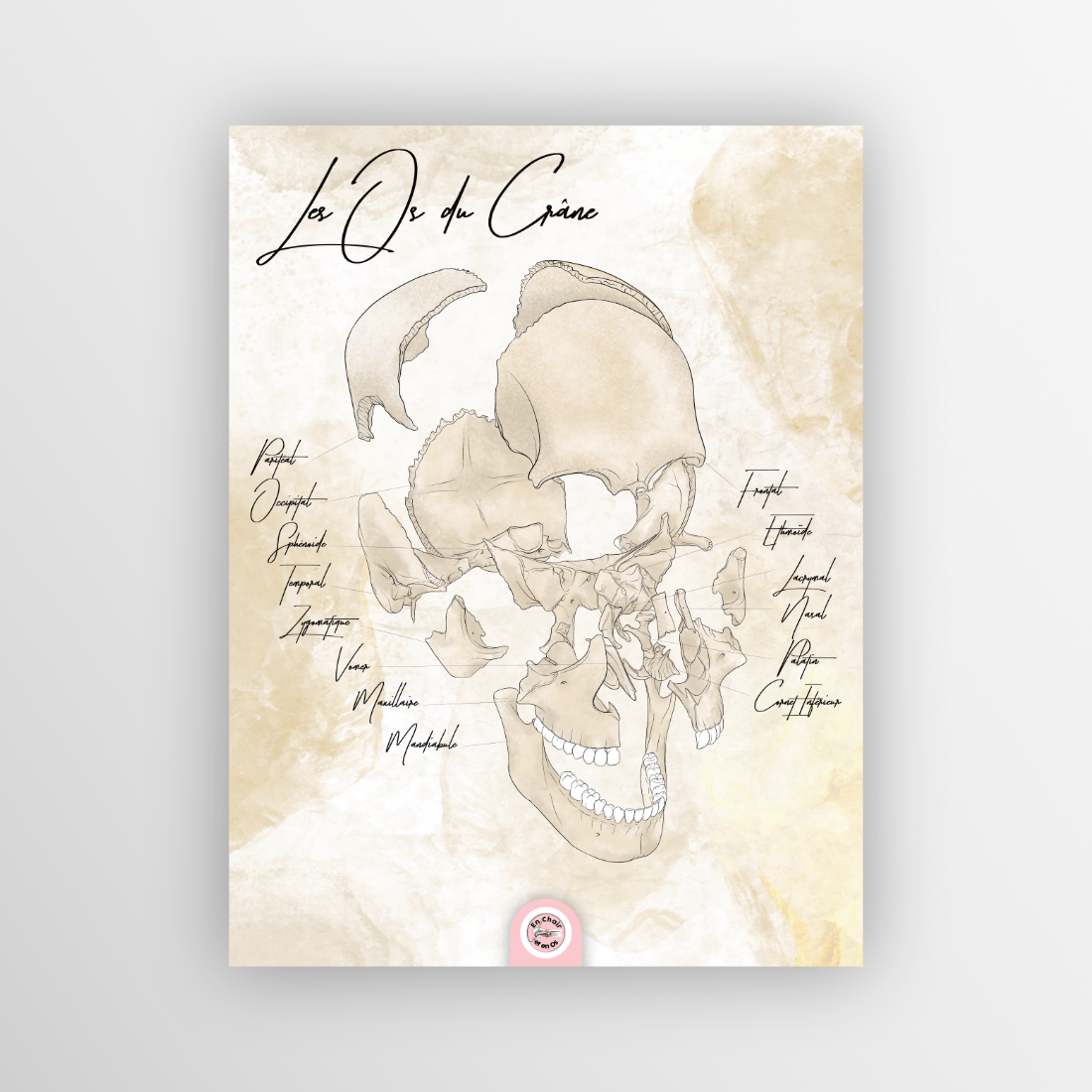
These anatomical posters allow for the visualization of the human skeleton and help to better understand pathologies related to the skull. For the practitioner, this adds a visual aid when explaining certain examinations or treatments. For example, a consultation for migraines or neurological issues can be enhanced by an explanation based on this chart. This transforms the decoration into a genuine educational tool, thereby strengthening the relationship between the patient and the practitioner.
Strengthening professional image with anatomy charts
These products are not merely decorative items; they testify to the practitioner’s specialization and professionalism. By incorporating an Anatomical Chart - Jaw Muscles, the practice demonstrates that it is equipped to treat specific pathologies such as temporomandibular joint dysfunction. These anatomical illustrations are not just accessories; they are an integral part of the equipment necessary for medical practice.
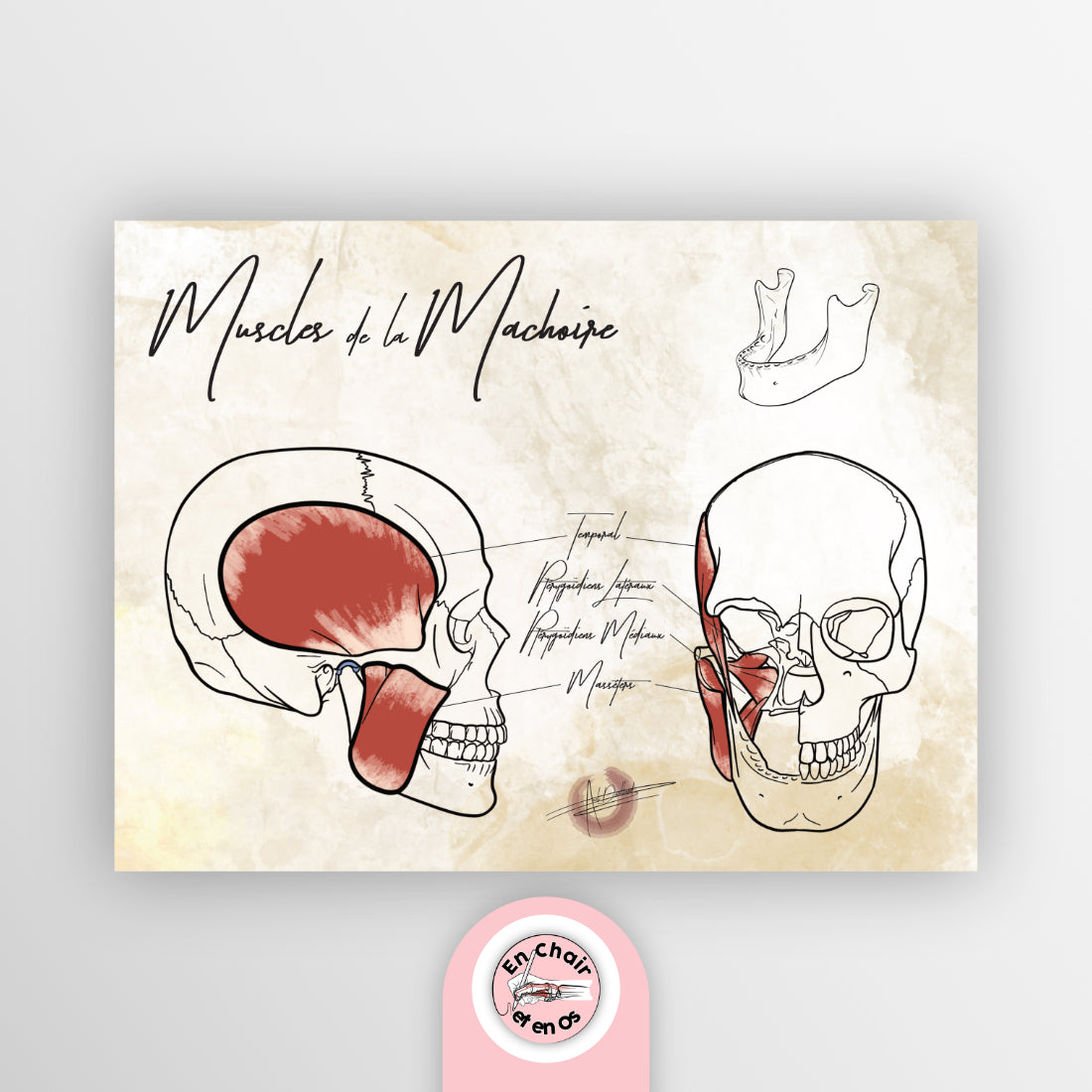
The quality of the anatomical charts available on the market, such as those offered by En Chair et en Os, adds a serious touch to the practice. It also reflects a commitment to the authenticity of the care provided. These anatomical charts, available at different prices and in varied categories, allow you to adapt the decor according to the specific needs of the practice and the practitioner’s specialty.
Improving patient communication and education
Facilitating the explanation of pathologies with anatomical posters
Anatomical charts are excellent tools for facilitating communication between the practitioner and the patient. An Anatomical Chart - Digestive Tract Organs can be used to explain disorders such as ulcers or gastroesophageal reflux. By showing detailed human anatomy on these charts, patients can clearly visualize the origin of their symptoms. This makes the explanation more interactive and improves understanding of the necessary care and examinations.
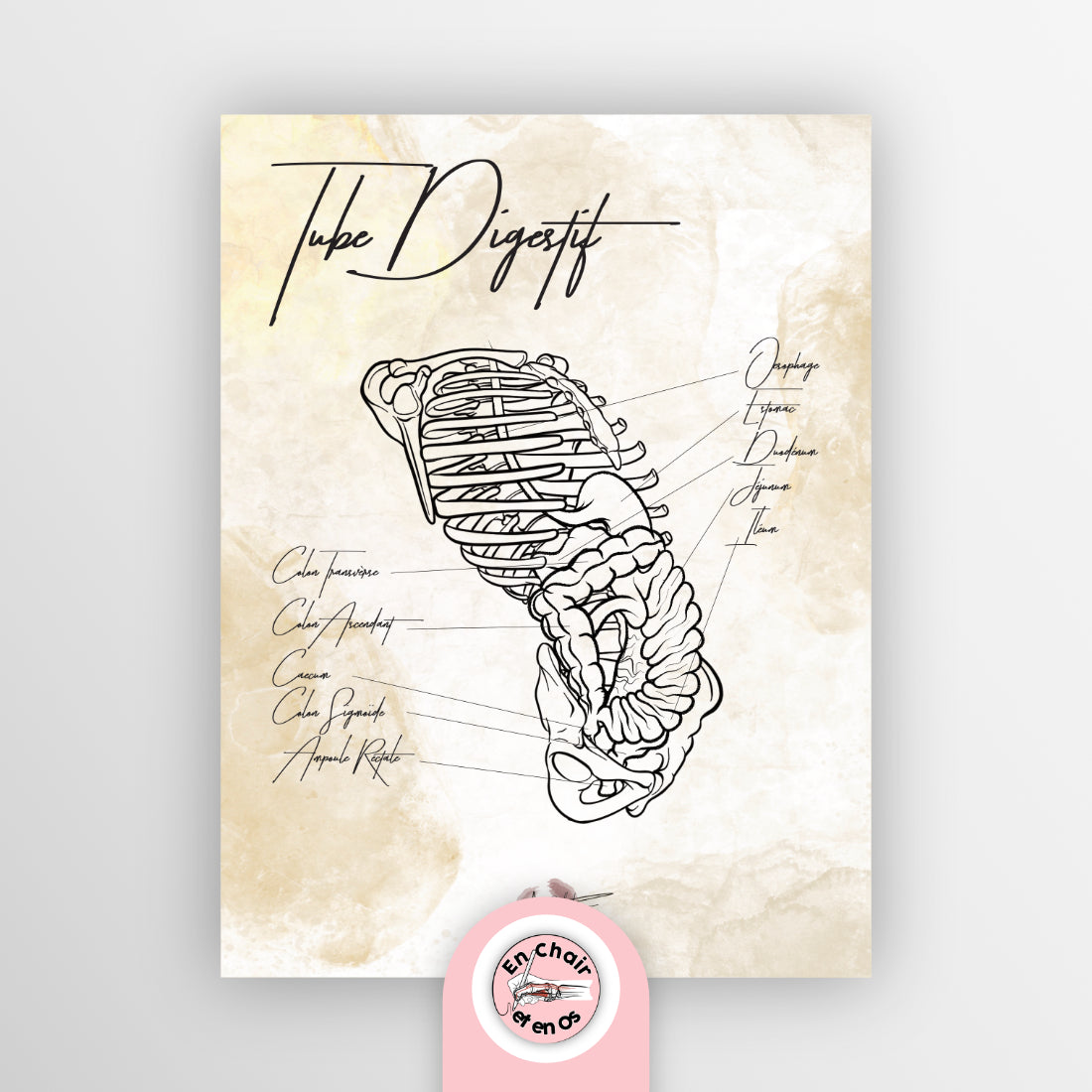
These anatomy posters help illustrate complex concepts and make them more accessible to the general public. By using them, practitioners transform a simple consultation into an educational exchange. This helps build a bond of trust and encourages the patient to participate actively in their own care journey. Anatomical charts like those of the digestive system provide complete and clear information, which is often difficult to convey through speech alone.
Promoting patient involvement with anatomical chart models
Patient involvement in their own care is a key factor for successful treatment. An Anatomical Chart - Muscle Chains of the Upper Limb can, for example, be used to explain musculoskeletal pain or rehabilitation plans. These posters allow the patient to better understand the mechanisms of their pathology and the interventions that will be proposed, which is particularly useful in the context of physiotherapy or osteopathy.
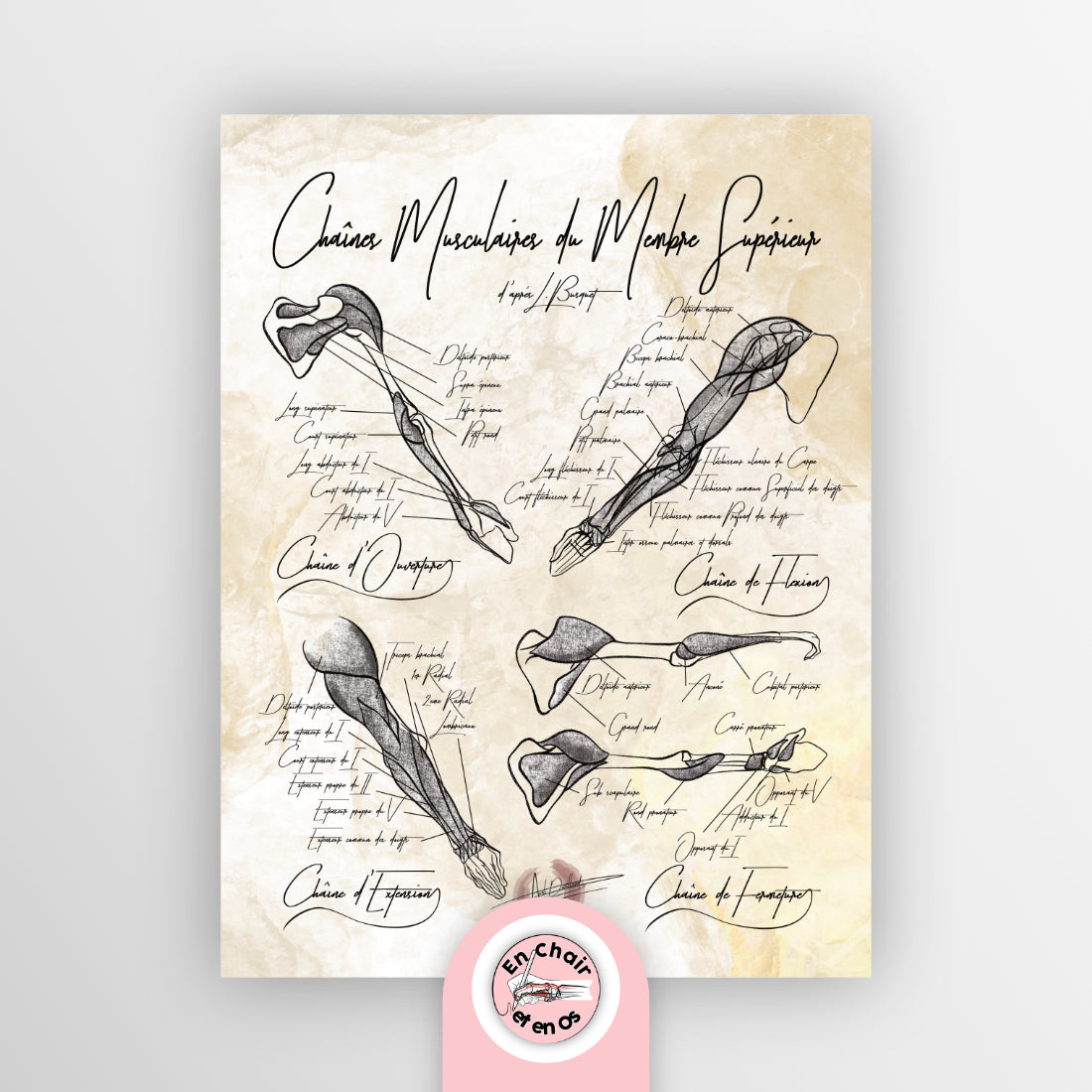
Anatomical charts are also very useful for medical students or those in continuing education, who find them a valuable visual aid for learning. Offering an environment rich in information and illustrations contributes not only to patient satisfaction but also to the continuing education of healthcare professionals. Anatomical chart models like those of the upper limb muscles foster a constructive and participatory dialogue.
Optimizing the ergonomics and organization of the medical practice
Gaining efficiency with a strategic layout of anatomical charts
Organizing a medical practice is not limited to furniture arrangement. The placement of anatomical posters and charts plays a crucial role in the efficiency of consultations. For example, a Stomach anatomical chart positioned near the examination table allows the practitioner to use it immediately as an explanatory tool. This simplifies the flow of consultations by making information instantly accessible.
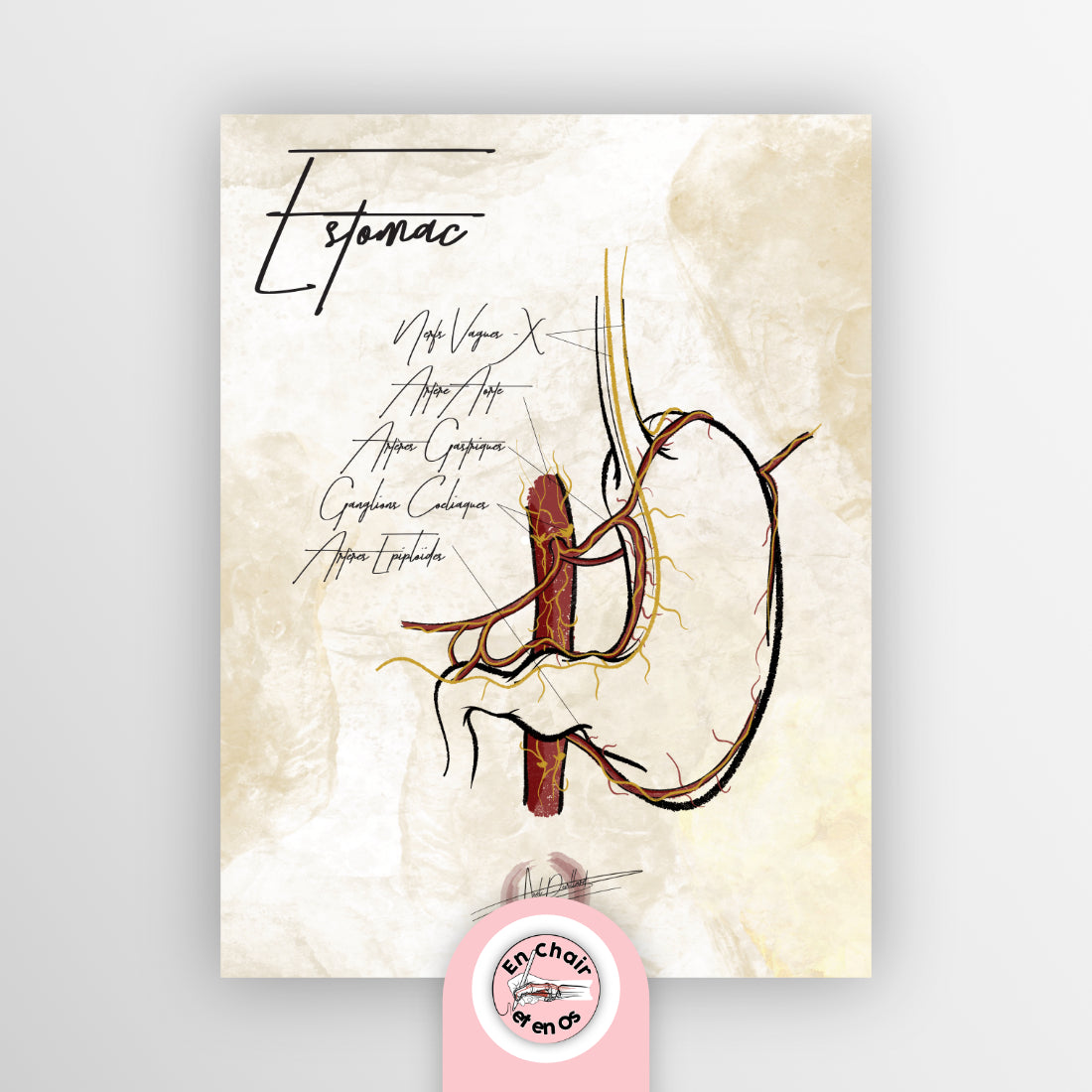
These anatomical posters also help create an orderly space where every item has a specific function, thus contributing to the office's ergonomics. The time saved for the practitioner, who can rely on these visuals to clarify their explanations, translates directly into better quality of care for the patient.
Harmonizing the space for a better patient experience
Harmonizing the space is essential to offer a pleasant experience for patients. Anatomical charts, when well integrated, transform the atmosphere of the medical practice. A Pregnancy anatomical chart in a gynecology or midwifery office creates a dedicated, reassuring, and educational environment. It shows that the practice is specialized and adapted to the specific needs of its patients.
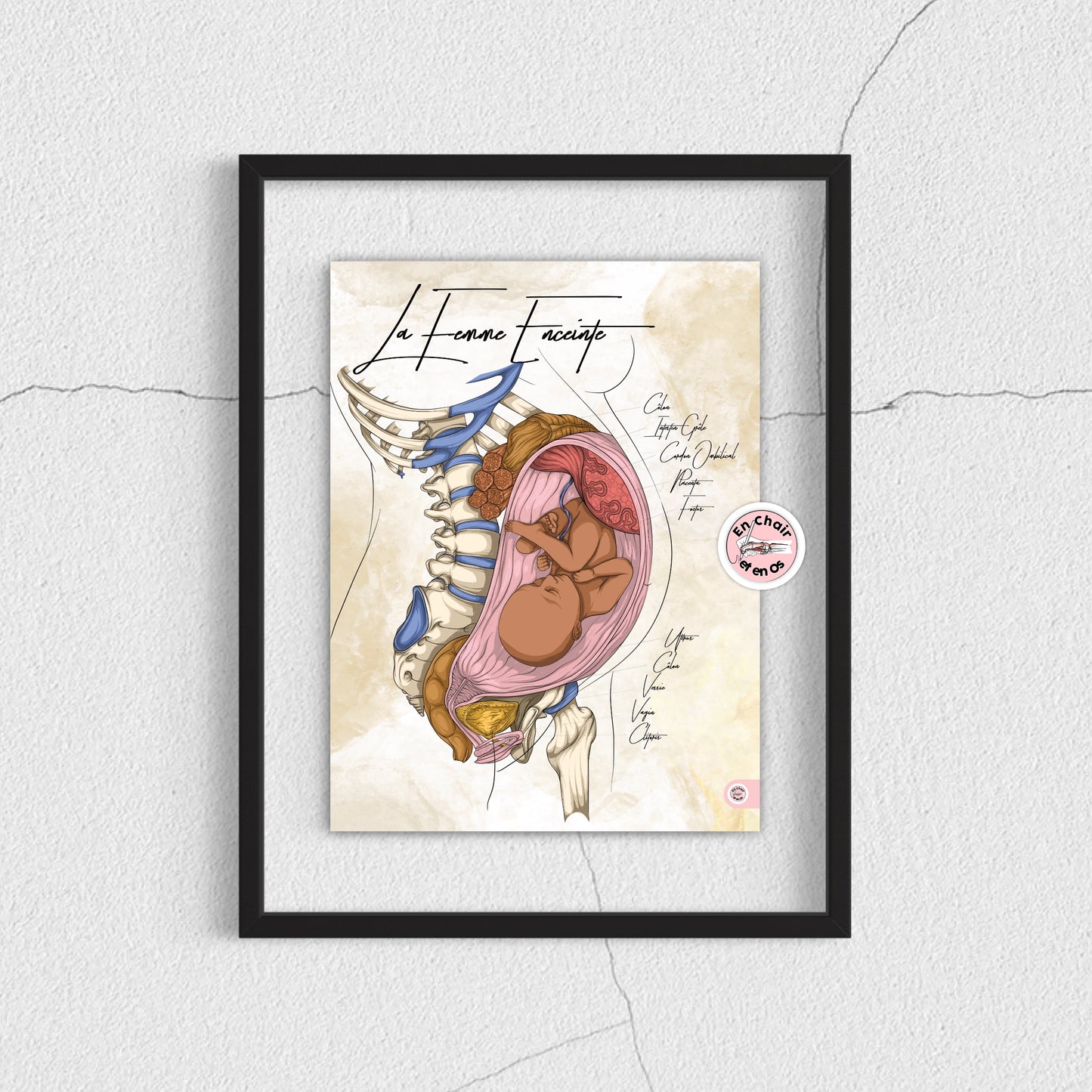
Choosing human anatomy charts that correspond to the practice's specialties helps create a coherent medical setting. This helps reduce patient stress by offering a visually pleasing and informative environment. Human anatomy charts thus become decorative elements that add both an aesthetic touch and a pedagogical function.
Conclusion
Anatomical charts are essential products in a medical practice to improve the patient experience and strengthen the practitioner's image. These anatomical posters offer informative and educational visual support, particularly regarding human anatomy, such as the human skeleton, human musculature, or specific pathologies. Available in various categories and models of anatomical charts, such as those of the shoulder or foot, they are printed on quality paper and offered by En Chair et en Os.
These anatomical posters are not mere decorative accessories, but medical tools that facilitate communication between the practitioner and the patient, and serve as pedagogical support for healthcare professionals and students in training. Their use helps explain treatments, diagnoses, and examinations clearly, reducing anxiety and improving the understanding of care.
Anatomical charts also help optimize the practice's ergonomics by organizing the space in a functional and rigorous manner. Available in stock on various sites and often on sale, they can be easily added to your cart for fast delivery in France.