

Written by: Naël El Kastani
Clear and precise educational material for anatomy instruction
An essential visual aid for understanding human anatomy
Anatomical charts, with their detailed illustrations, provide an essential visual aid for teaching human anatomy. These charts offer a clear way to depict different parts of the body, from muscles to bones and internal organs. For example, the Anatomical Chart - Human Musculature is an essential tool for physiology and physical therapy courses.
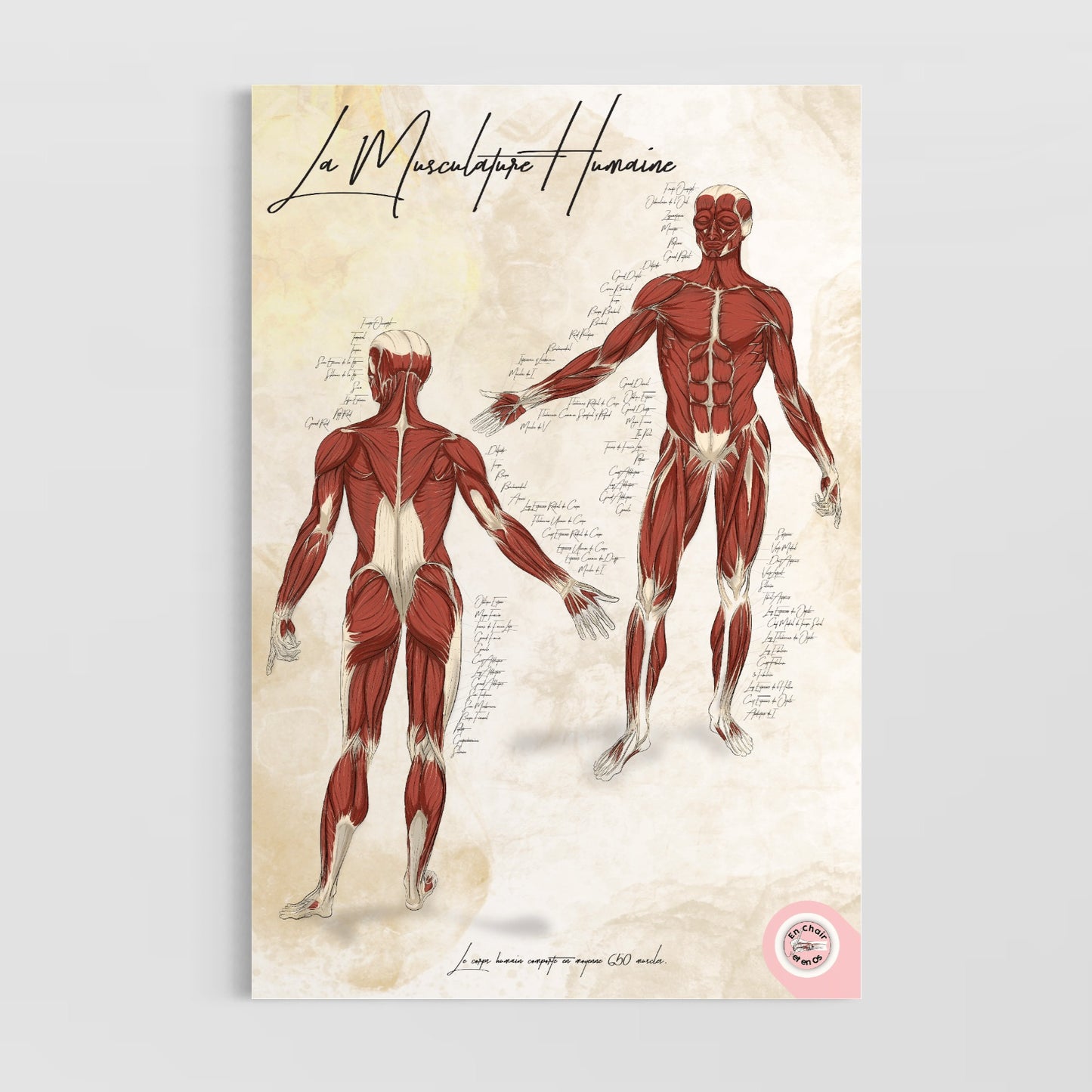
It shows in detail the distribution and function of muscles in the human body, facilitating understanding for both students and professionals. This type of support is crucial for improving learning, allowing students to directly visualize theoretical concepts discussed in class.
A support tool for medical consultations
For healthcare professionals, anatomical charts are also an effective way to explain medical conditions and treatments. For example, the Anatomical Chart - Spine is often used by chiropractors and osteopaths to illustrate common back problems, such as herniated discs or scoliosis.
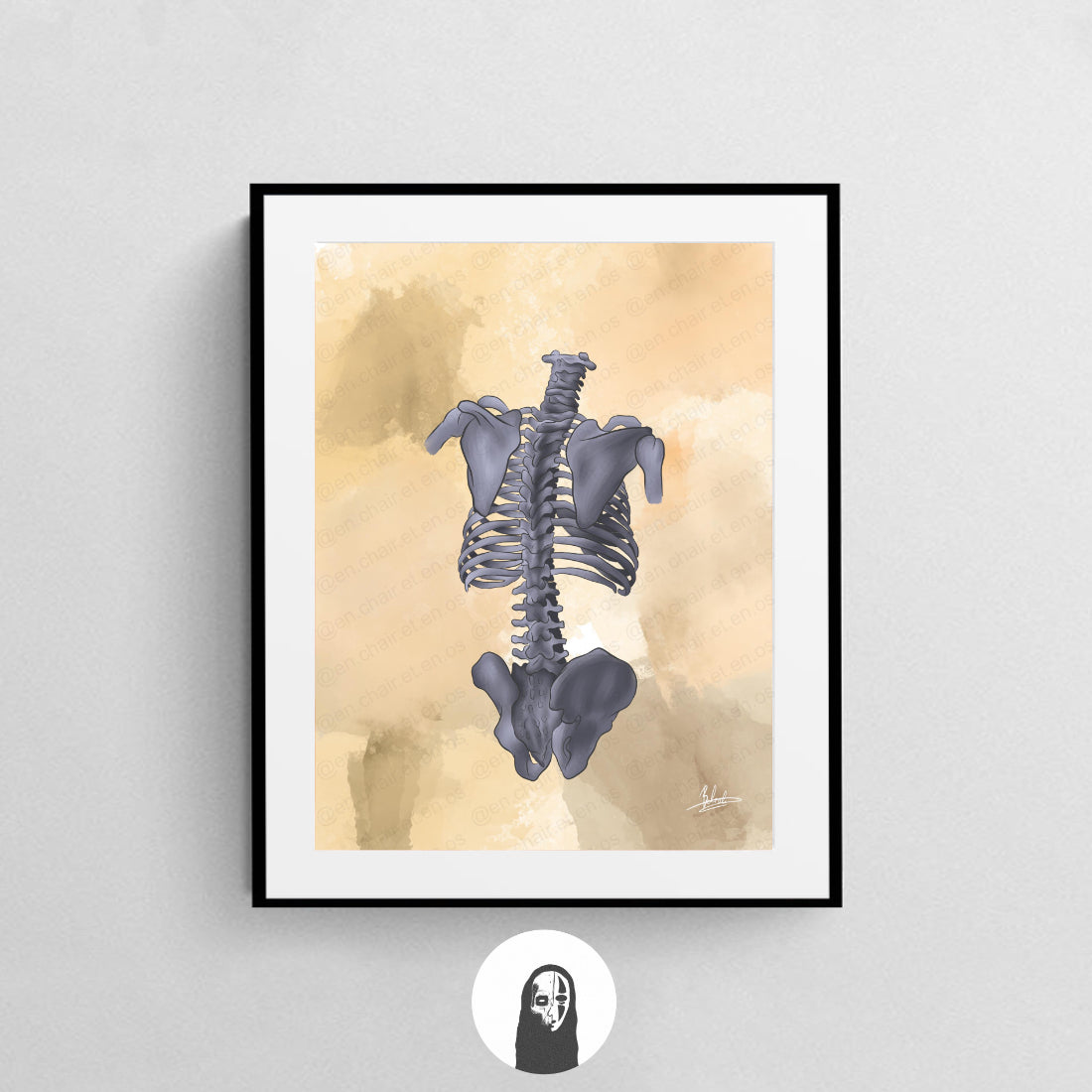
Thanks to these anatomical posters, practitioners can precisely show affected areas, which helps patients better understand their condition and adhere to the proposed treatment plan. Using anatomical charts during consultations not only educates the patient, but also strengthens the communication between the practitioner and the patient.
A wide range of anatomical chart models to meet various educational needs
Charts adapted to each medical specialty
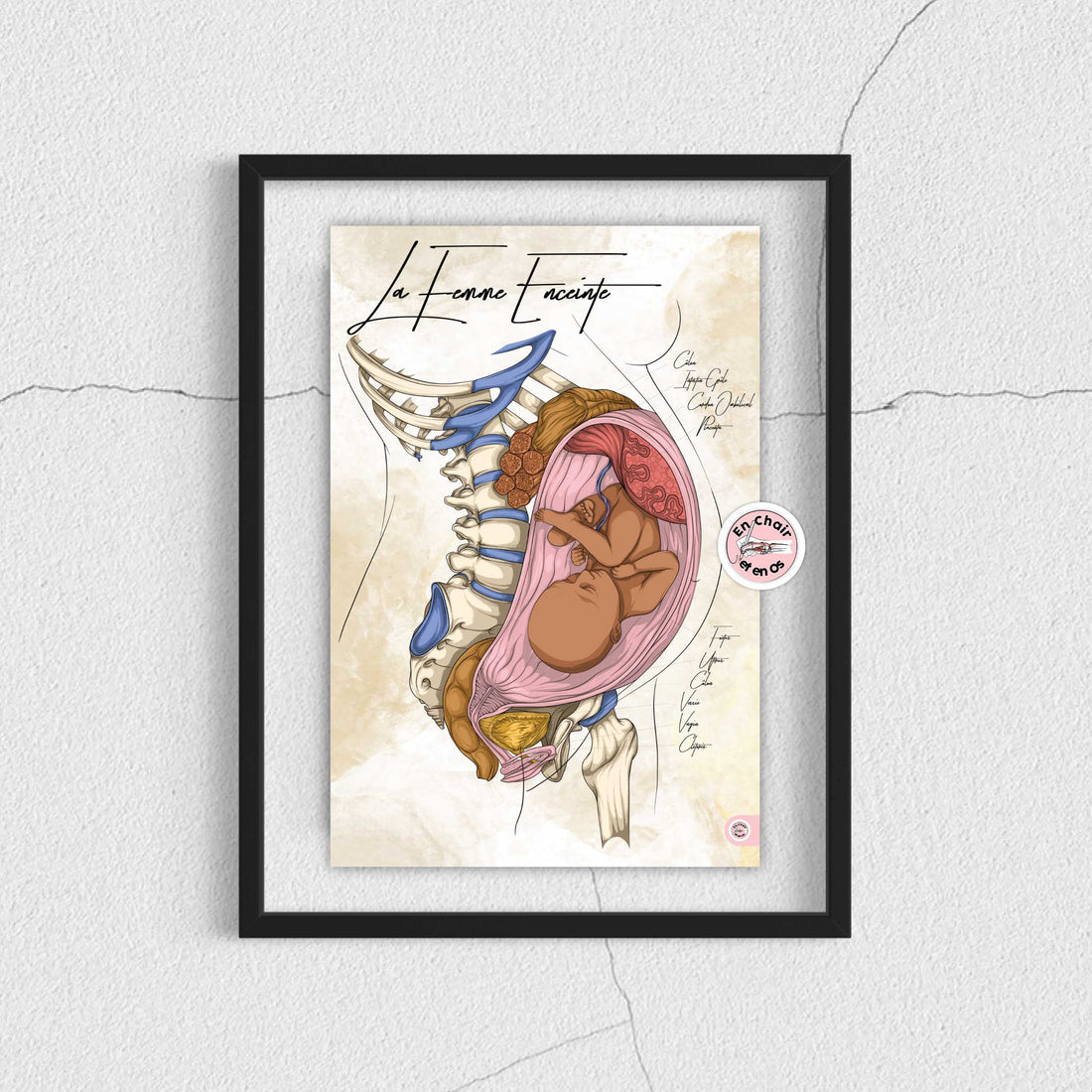
One of the great advantages of anatomical charts is the variety of models available, covering a multitude of medical specialties. For example, the Anatomical Chart - Pregnancy is particularly useful for gynecologists, allowing them to detail the anatomy of the female reproductive system with precision.
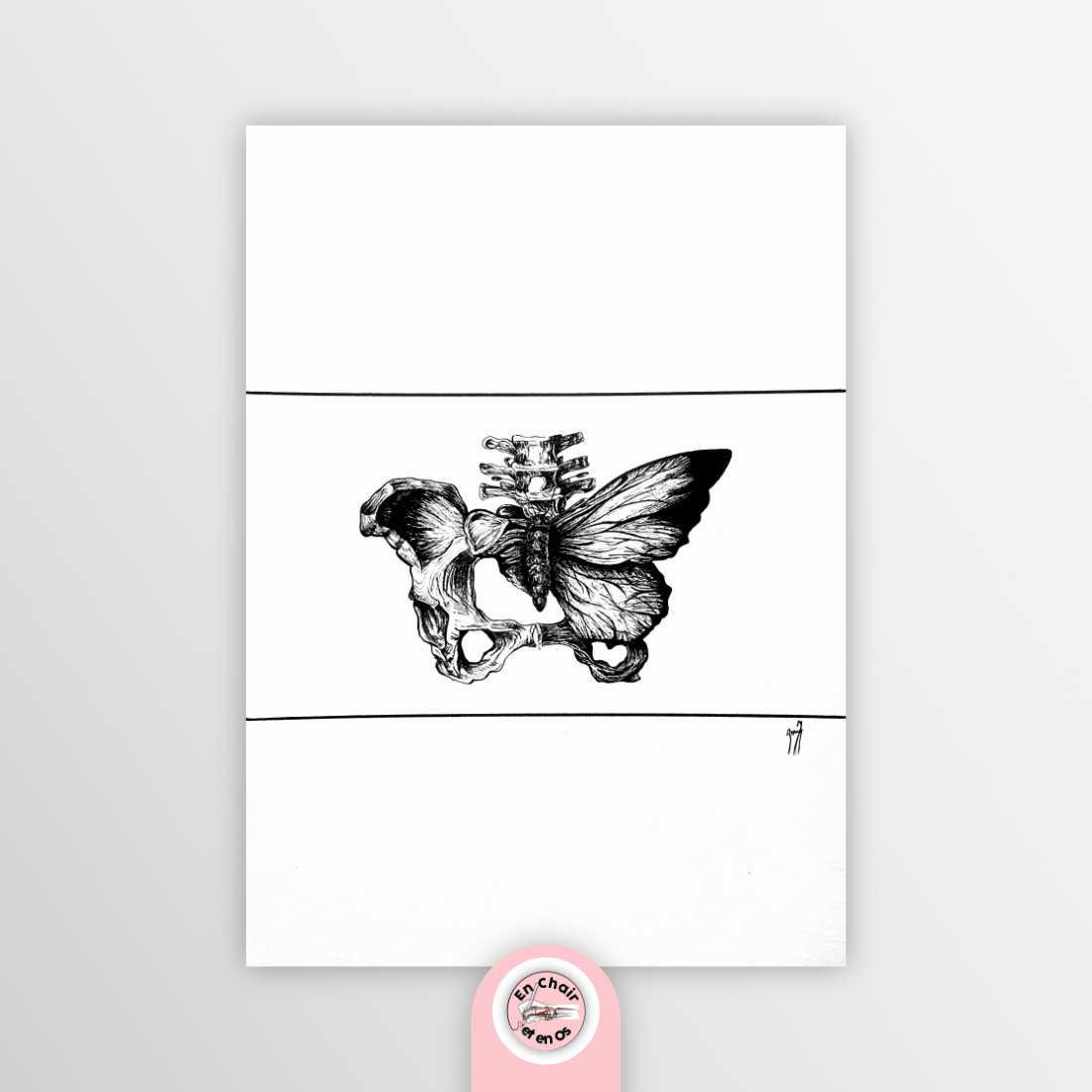
Similarly, the Anatomical Chart - Pelvis is a valuable tool for urologists and orthopedists, clearly and artistically illustrating the bony structure and joints of the pelvis. These anatomical posters offer practitioners a visual tool specific to their field, allowing them to enrich their consultations and improve the understanding and information provided to the patients.
Educational materials suitable for all training levels
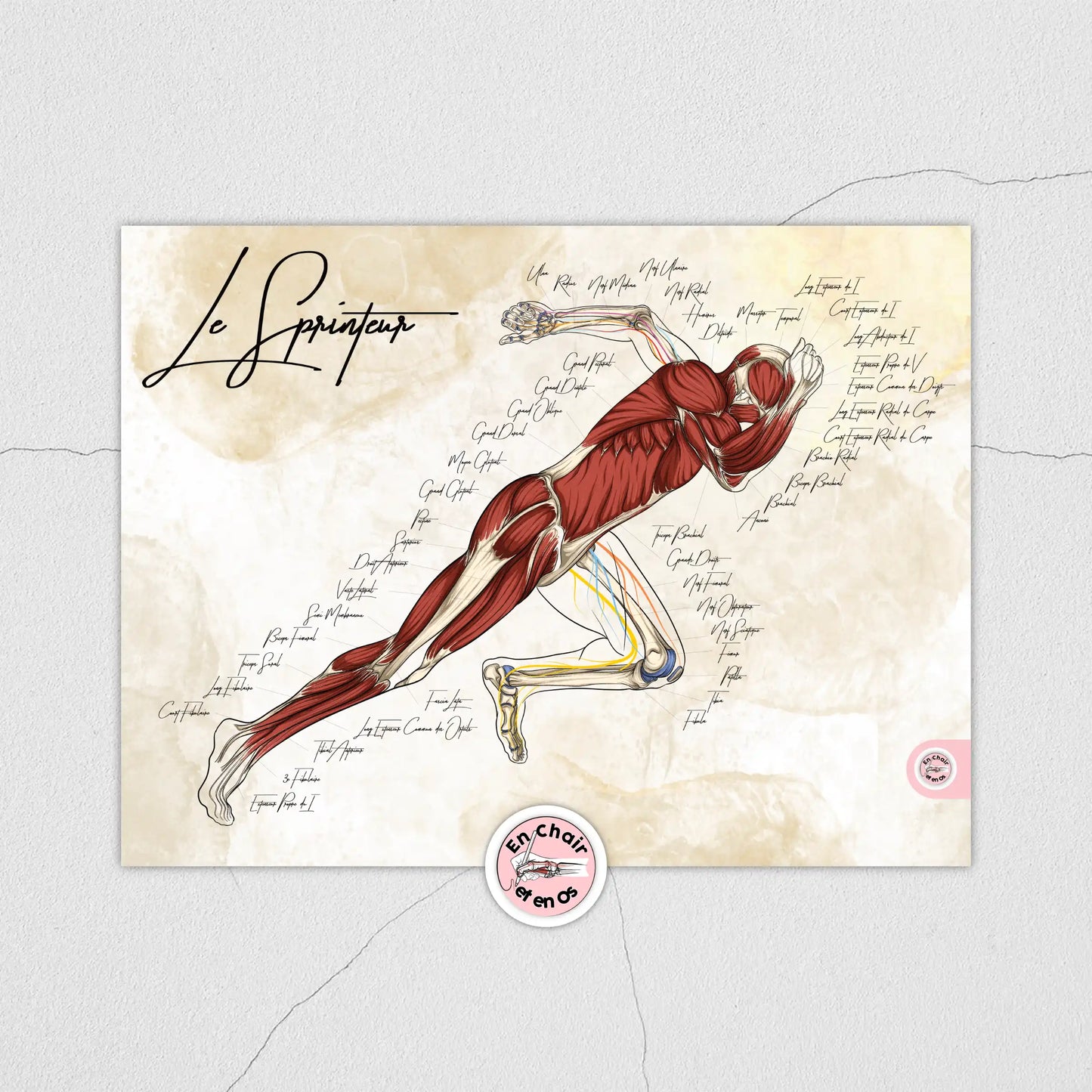
Anatomical charts are not intended solely for medical students, but also constitute valuable resources for healthcare professionals at all stages of their careers. They are particularly useful for experienced practitioners who wish to deepen their clinical examination and knowledge or stay informed about the latest advances in medicine. For example, the sports anatomical charts prove to be extremely beneficial in the continuing education of physical therapists and sports doctors. These tools allow them to visualize anatomical peculiarities related to specific disciplines as well as the corresponding therapeutic approaches. Similarly, an Anatomical Chart - Sprinter is essential for teaching specific rehabilitation or muscle strengthening techniques. This flexibility in meeting the needs of learners at various levels makes anatomical charts an essential tool in any medical training, whether initial or continuing.
A practical, accessible, and durable tool for daily use
Durable anatomical charts that are easy to integrate into medical offices
Anatomical posters, printed on high-quality paper with resistant materials, are designed to last. They can be easily integrated into any medical office, whether on the walls of an examination room, a rehabilitation room, or a consultation room. For example, an Anatomical Chart - Human Skeleton can be displayed permanently in a surgery office, allowing constant, quick access to crucial anatomical information during consultations.
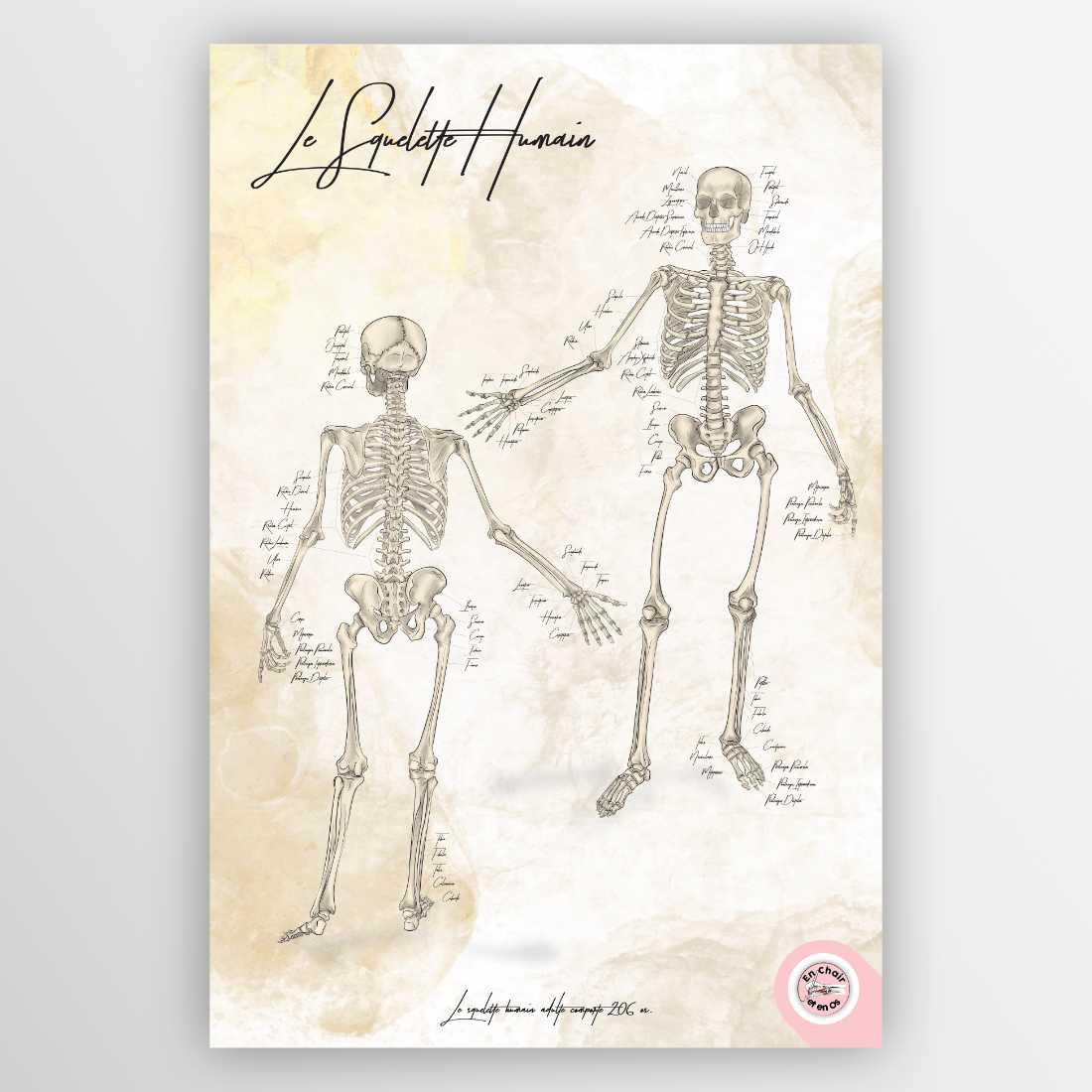
Furthermore, thanks to their durability and print quality, these anatomical posters maintain their clarity and readability over time, even after intensive use.
A valuable aid for rehabilitation and patient follow-up
Anatomical charts play a key role in patient rehabilitation by helping to illustrate the areas of the human body they need to focus on during their treatment. For example, an Anatomical Chart - Foot is frequently used by podiatrists and physiotherapists to explain problems after an examination, such as Achilles tendinitis or a plantar fascia tear in the foot.
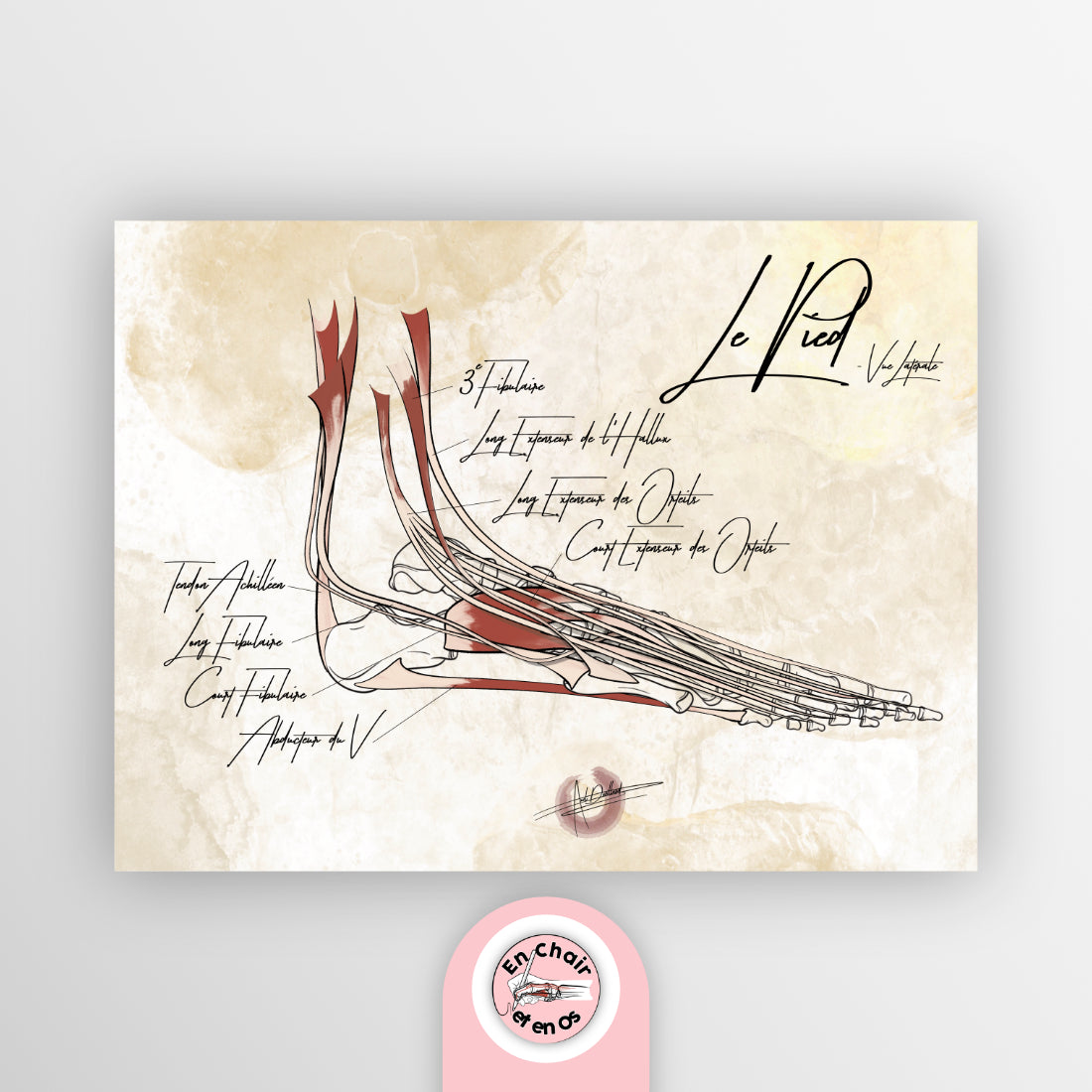
By precisely visualizing the affected structures of the human body, patients are better informed about their condition and the exercises to perform, which improves the effectiveness of their recovery. These charts are therefore not just educational tools for patients and practitioners, but also practical tools for daily patient monitoring.
Conclusion
Anatomical posters are essential educational tools for teaching, continuing education, and medical consultation. They offer precise and detailed visualization of human anatomy, thereby facilitating the understanding of complex concepts. Whether for teaching the anatomy of the human skeleton, illustrating muscles, or explaining a specific pathology, these charts are versatile tools that meet the needs of healthcare professionals at all levels. By incorporating charts such as those offered on the En Chair et en Os website, practitioners can not only enrich their practice but also improve the quality of care provided to patients. With models adapted to each specialty and resistant materials, these posters are a valuable investment for any medical office or training institution.