

Author: Naël El Kastani
Educational charts: An essential tool for education
The educational value of anatomical charts
Educational charts are designed to facilitate the learning of human anatomy, both for students and patients. They offer detailed illustrations and clear information about the different parts of the human body. For example, the Anatomical Chart: Diaphragm Muscle Chains on our En Chair et en Os website is an excellent choice for explaining the crucial role of the diaphragm in respiration. This detailed anatomical poster presents the various muscular structures and their functions, which can be extremely useful for medical students and patients curious about understanding their own physiology.
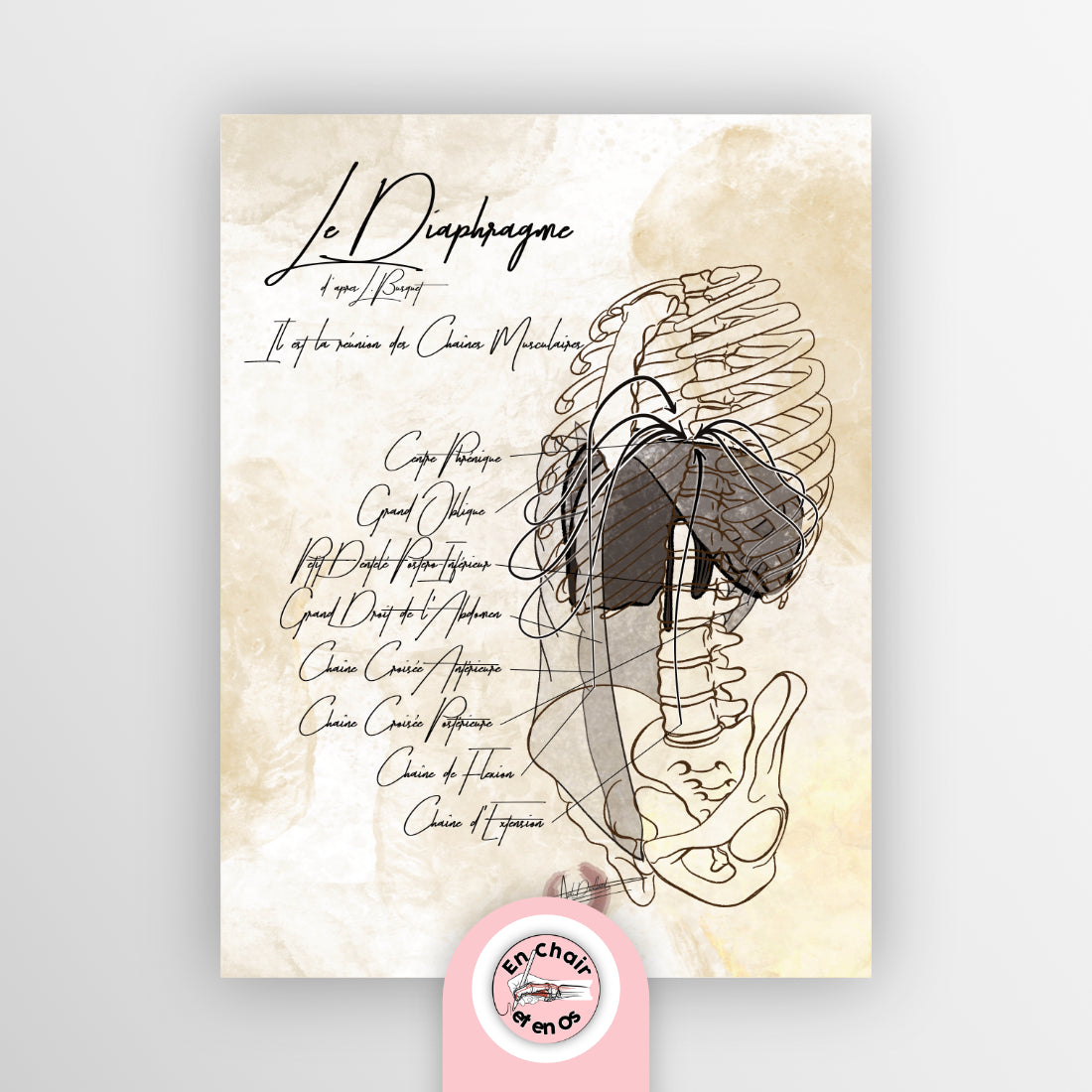
Using these anatomy posters is an effective pedagogical method. They allow for the direct visualization of muscles and organs, thereby facilitating learning and memorization. Adding an anatomical poster like this to your clinic is a real asset. Not only does it enrich educational content, but it also sparks interest and curiosity in patients and students. This anatomy poster can be an excellent product to add to the cart for any medical practice looking to improve its collection of educational tools.
Use in consultation
During consultations, it is often necessary to visually show certain anatomical aspects to patients so they can better understand their condition or the proposed treatment. A poster like the Anatomical Chart: Jaw Muscles can be particularly useful for dentists and maxillofacial surgeons. By presenting this chart, you can more easily explain the causes of jaw pain or the surgical procedures being considered. This type of visual aid improves communication and strengthens patient confidence in the diagnosis and treatment.
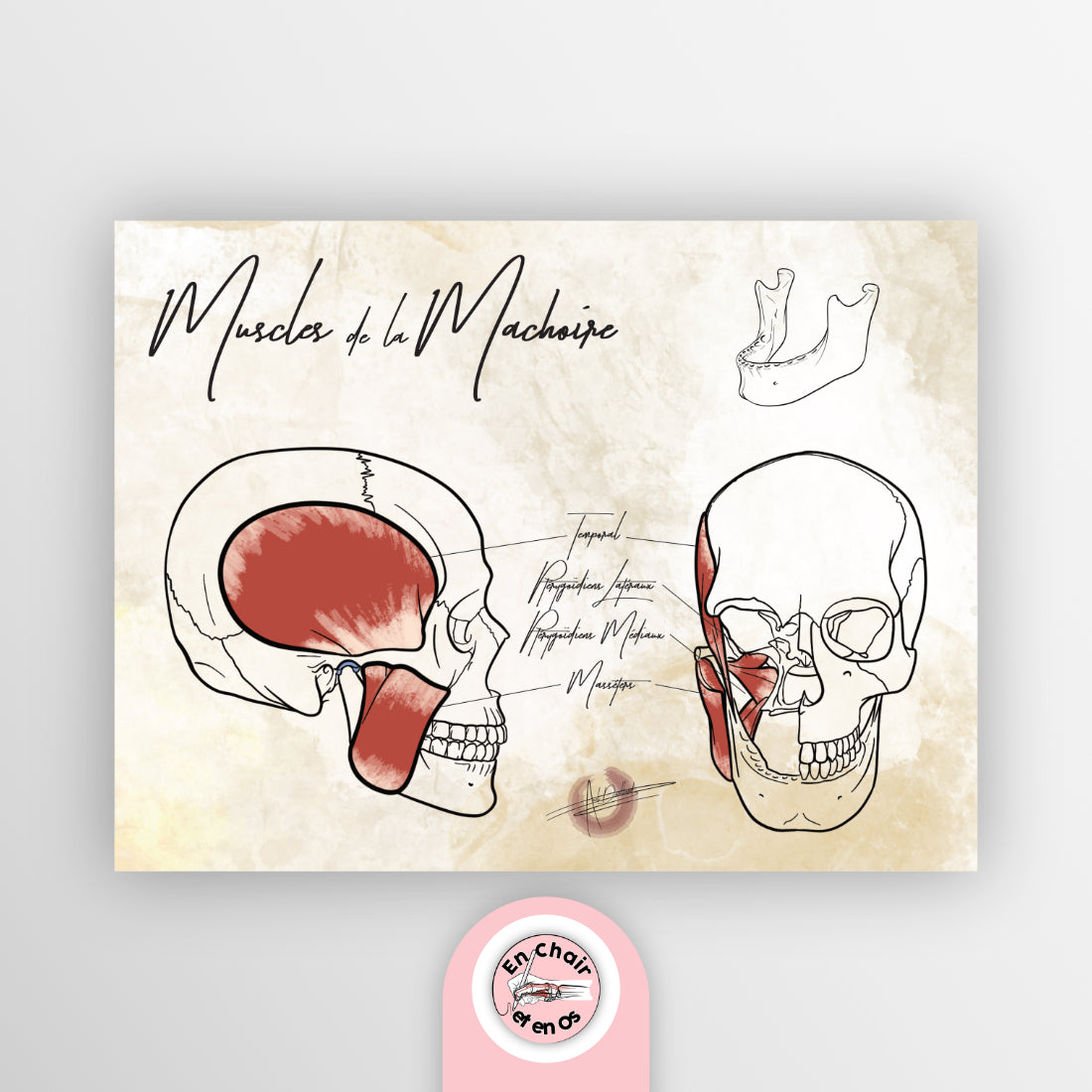
Human anatomy posters are didactic tools that help in understanding the mechanisms of the human body. Using these human anatomy posters during consultations helps clarify patients' health status and necessary treatments, thereby improving the quality of the patient-practitioner relationship. Add these posters to your list to optimize your consultations and provide clear, precise information about human body anatomy.
Specialized charts: Tools for healthcare professionals
Adaptation to medical specialties
Some anatomical charts are specifically designed for particular medical disciplines. For example, the Anatomical Chart: Skull Bones is a valuable tool for neurologists, neurosurgeons, and neuroscience students. This human skeleton anatomy poster provides a detailed view of the different bony structures of the skull, which is crucial for understanding pathologies and surgical interventions related to this region. Integrating this chart into your clinic shows not only your expertise but also your commitment to using high-precision tools for an accurate diagnosis.
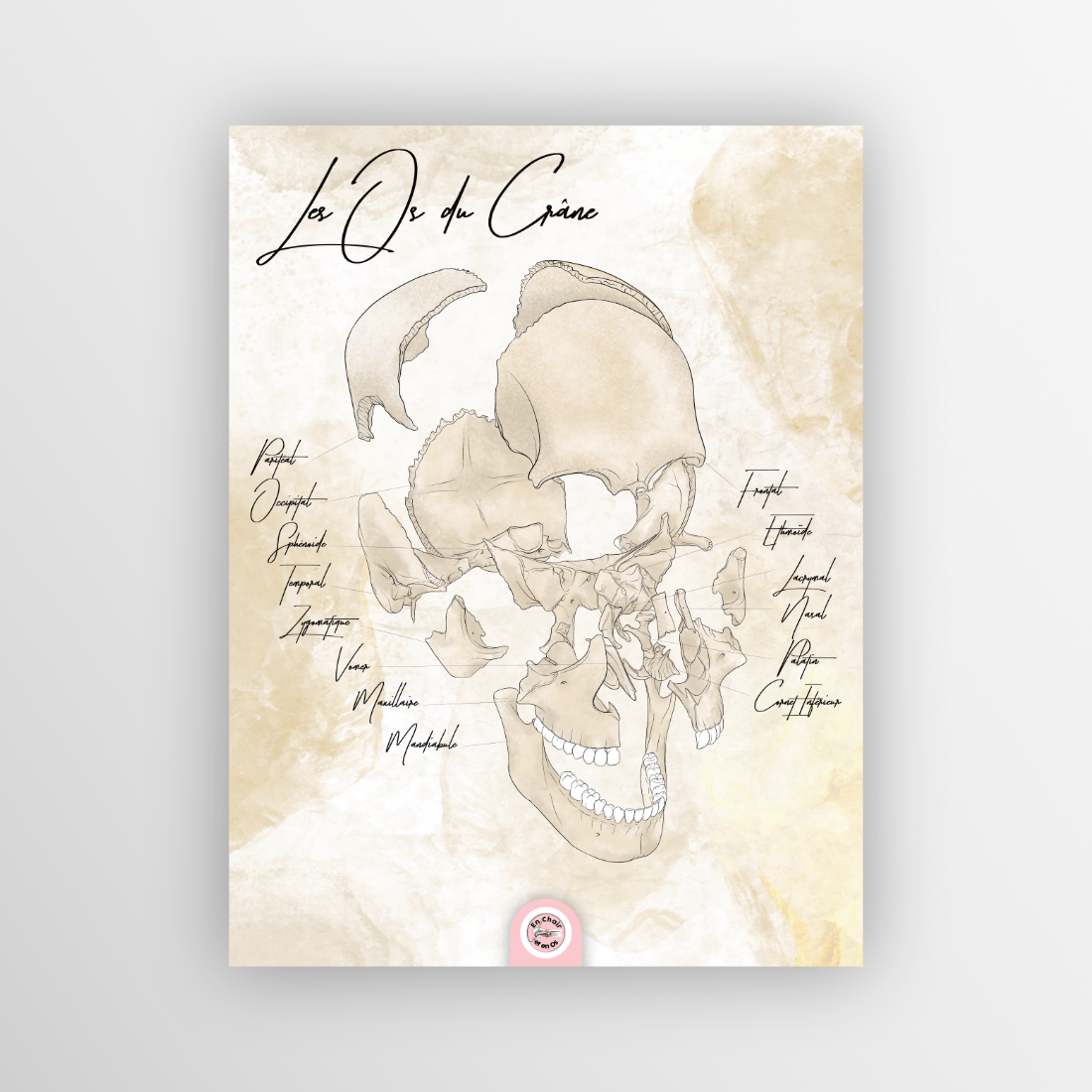
The Human Skeleton Anatomy Poster is also an excellent choice for orthopedists and physical therapists. It allows for visualizing the different joints and bone structures, which is essential for diagnosing and treating musculoskeletal problems. These anatomical posters are valuable resources that perfectly complement modern imaging technologies, allowing for an in-depth understanding of human body anatomy. Adding an anatomical chart like this to your collection not only improves diagnostic accuracy but also enriches the continuing education of healthcare professionals.
Complementarity with modern technologies
Although modern imaging technologies like MRIs and CT scans are essential, anatomical charts remain a valuable supplement. The Anatomical Chart: Lower Limb Muscle Chains is ideal for physical therapists and sports doctors. It allows for visualizing the different muscle chains involved in the movements and pathologies of the lower limb. Using this poster in addition to imaging exams can help better understand muscle dysfunctions and plan effective rehabilitation programs.
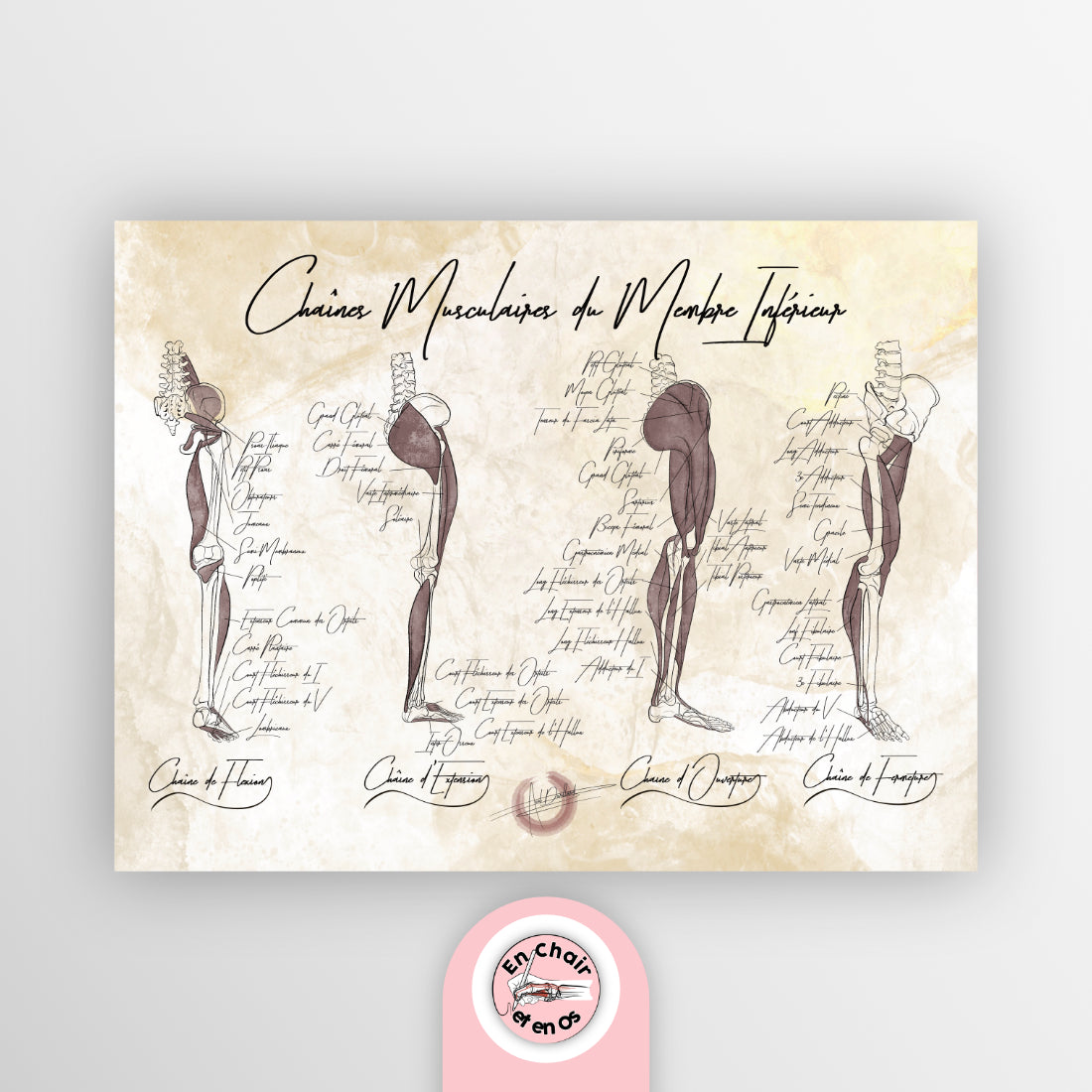
These posters provide an overview that medical images cannot always supply. They allow practitioners to clearly show patients the affected areas and explain the planned treatments. Integrating these charts into your medical practice reinforces the efficiency of consultations and treatments. These products can be added to your cart to enrich your clinic with education tools printed on high-quality paper.
Decorative charts: Combining aesthetics and functionality
An asset for the clinic atmosphere
Anatomical charts can also serve as decoration, bringing an aesthetic touch while remaining functional. For example, the Anatomical Chart: Basketball Player can be used in a sports medicine clinic or a rehabilitation center. This poster, in addition to being informative about human anatomy in motion, adds an artistic and dynamic dimension to your space. It catches the eye and sparks interest, thus creating a welcoming and professional atmosphere. Adding this type of poster to your clinic improves not only the aesthetics of the space but also the engagement of patients and visitors.

These vintage anatomy posters, printed on high-quality paper, can transform the look of your clinic, creating an environment that is both educational and pleasant. A vintage anatomy poster can serve as a focal point in your waiting room, sparking conversations and questions that can then be addressed during consultations.
Space personalization
Personalizing your space with anatomical charts that reflect your specialty or interests can reinforce your professional identity. The Anatomical Chart: Weightlifter is perfect for a clinic specializing in sports rehabilitation or physiotherapy. It illustrates the muscles engaged during weightlifting, highlighting key areas to work on during rehabilitation sessions. Furthermore, this poster can serve as an educational aid for explaining to patients the importance of each muscle in their rehabilitation program.
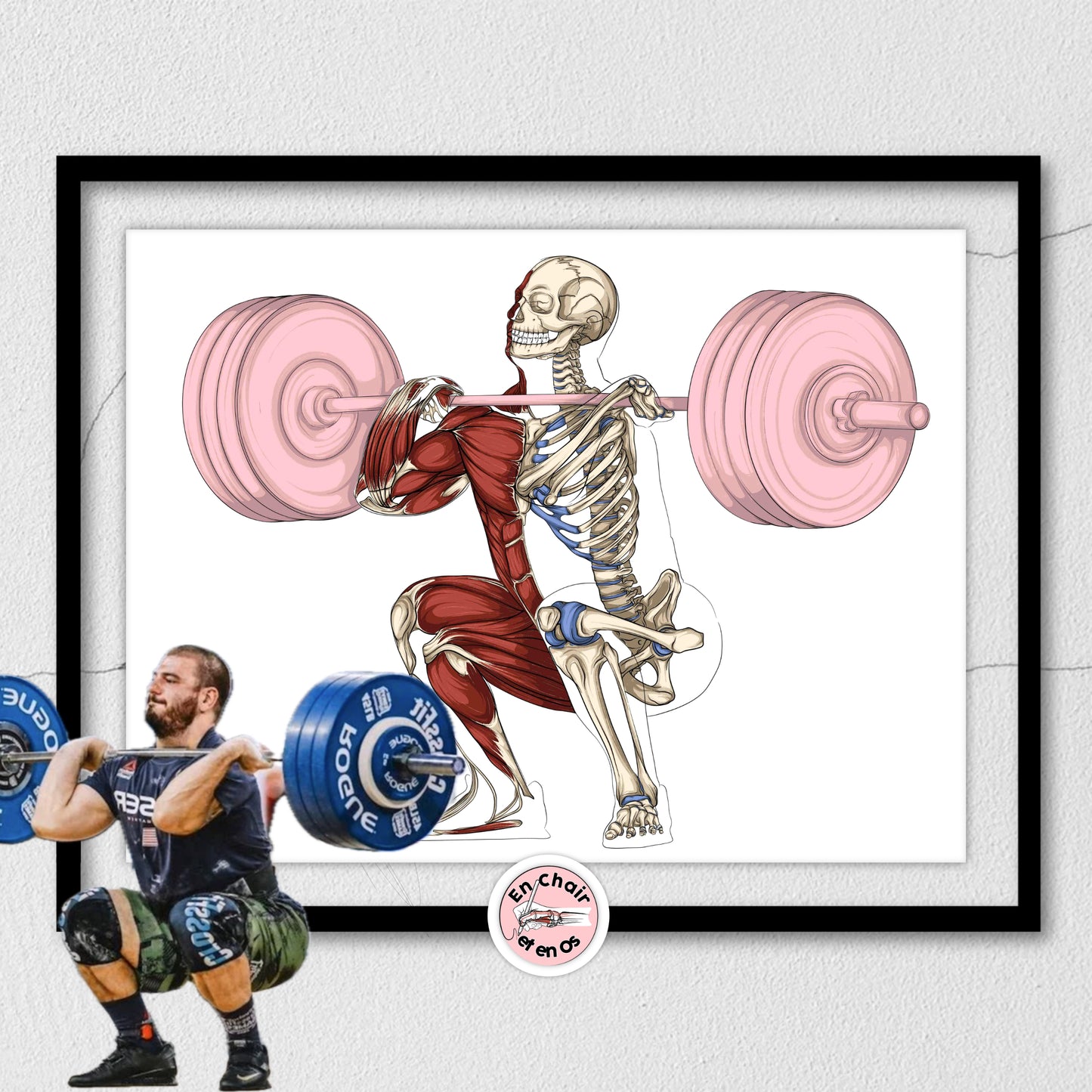
By offering personalized posters, you can create a unique environment that showcases your expertise and your commitment to your patients' health and well-being. These charts are not only decorative but also functional, helping to educate patients and improve the understanding of treatments. Adding human body posters to your collection of didactic and decorative tools is an excellent strategy to enrich your medical office.
Conclusion
Choosing the ideal anatomical chart for your clinic depends on your specific needs and how you want to use these tools. Whether for education, medical specialization, or decoration, posters play a crucial role in improving the quality of care and the patient experience. By integrating anatomical posters into your clinic, you provide clear and visually appealing information, thereby improving communication with patients and strengthening your professional credibility. Feel free to browse the product pages on our En Chair et en Os website and add the posters that best suit your needs to your cart. With a wide range of posters available, you can easily find the perfect tools for your medical office, benefiting from FREE shipping and products printed on high-quality paper that will enrich your daily practice.